

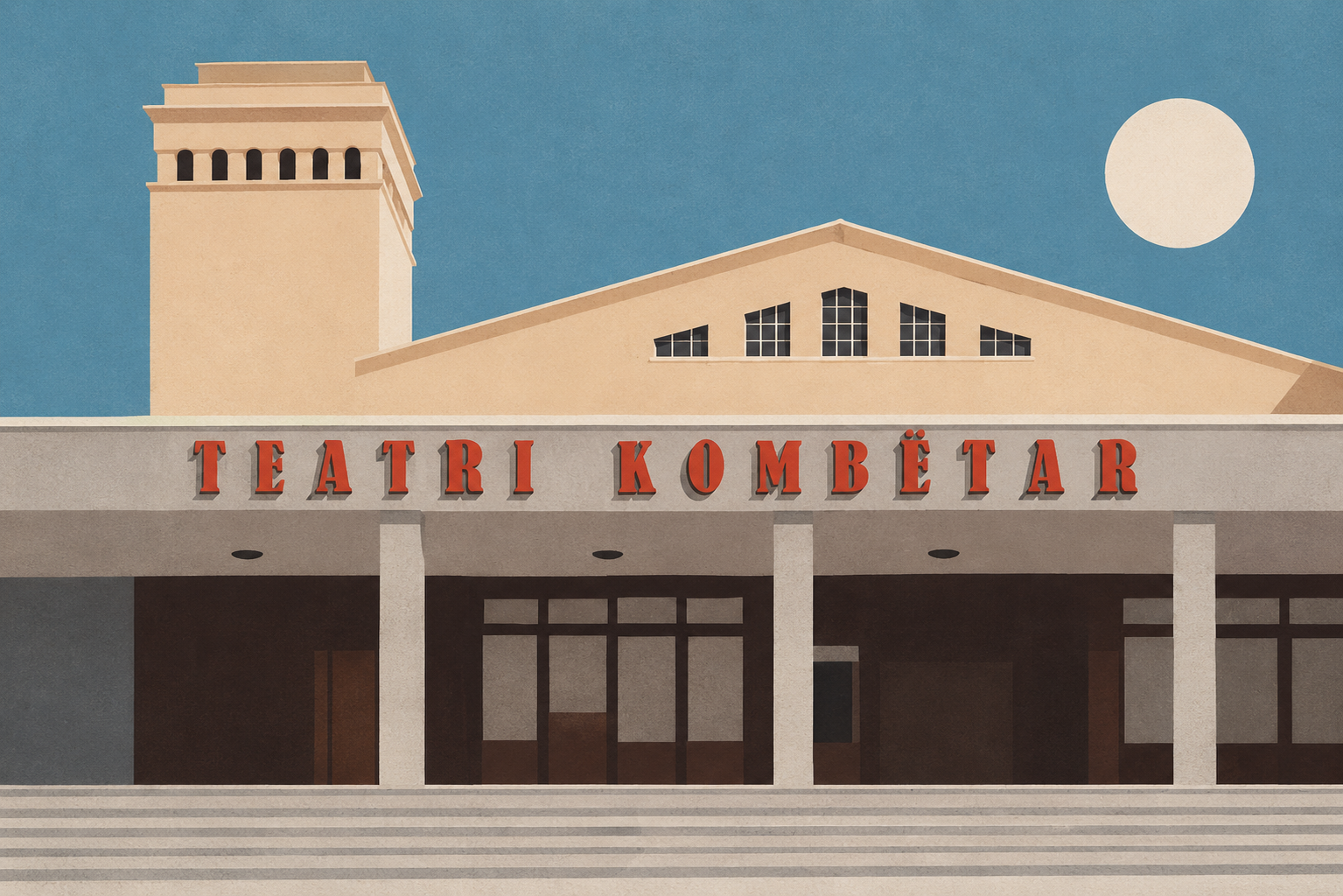
Drama in Kosova has developed alongside theatre, but its history is also the story of a body of literature that has sought new ways of addressing identity, history, society, and the human condition.
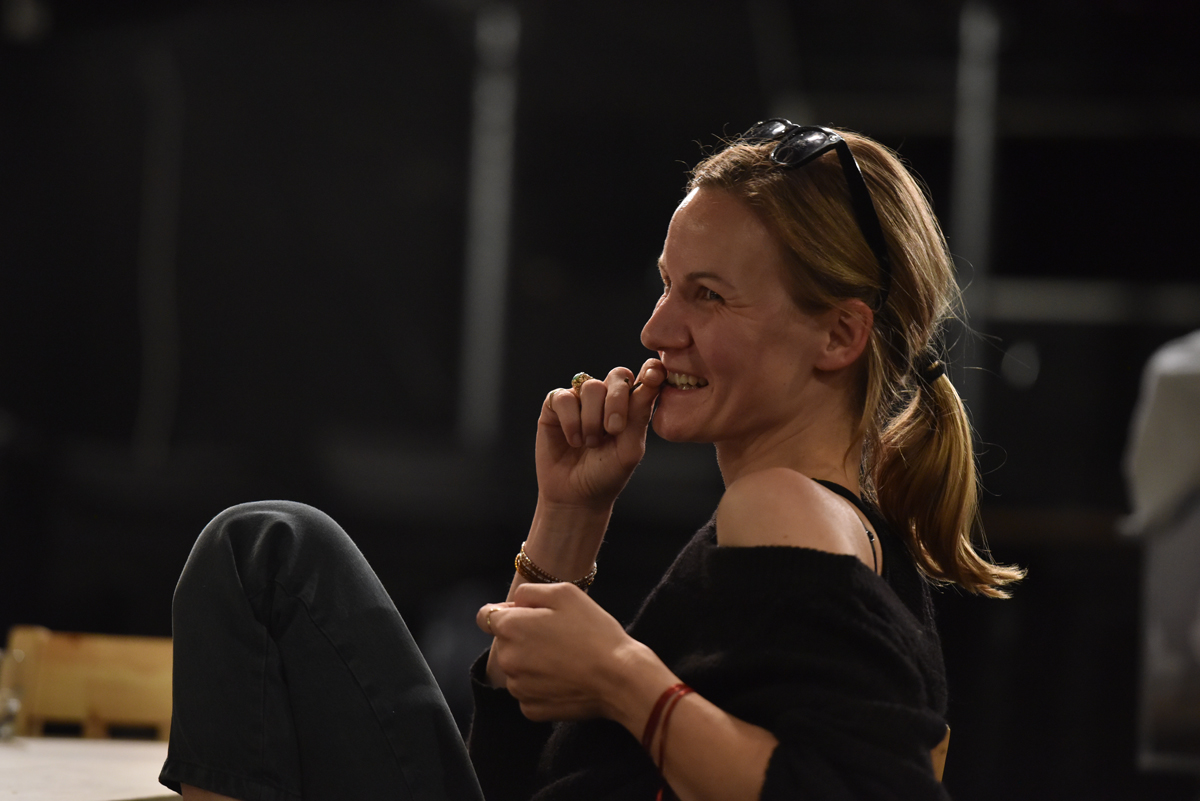
Maša Pelko is a Slovenian playwright. Her play FÜR OPHELIA (A Mythology of Drowning) was translated into English and Estonian as part of the translation workshops organised within the DoSEL project.
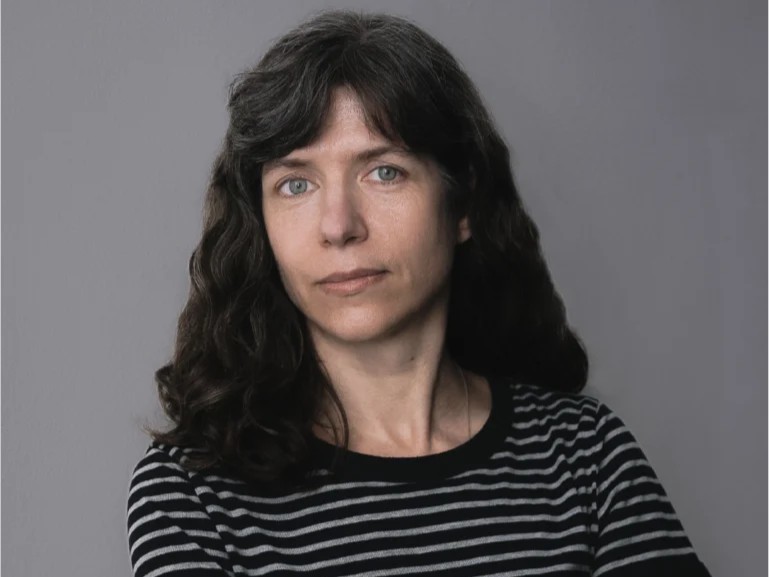
Izaskun Gracia Quintana is a Basque translator and editor. In the frame of DoSEL project she translated the play THE ADVENTURES OF THE BOSCH FAMILY IN UNMIKISTAN by Jeton Neziraj to Basque language.
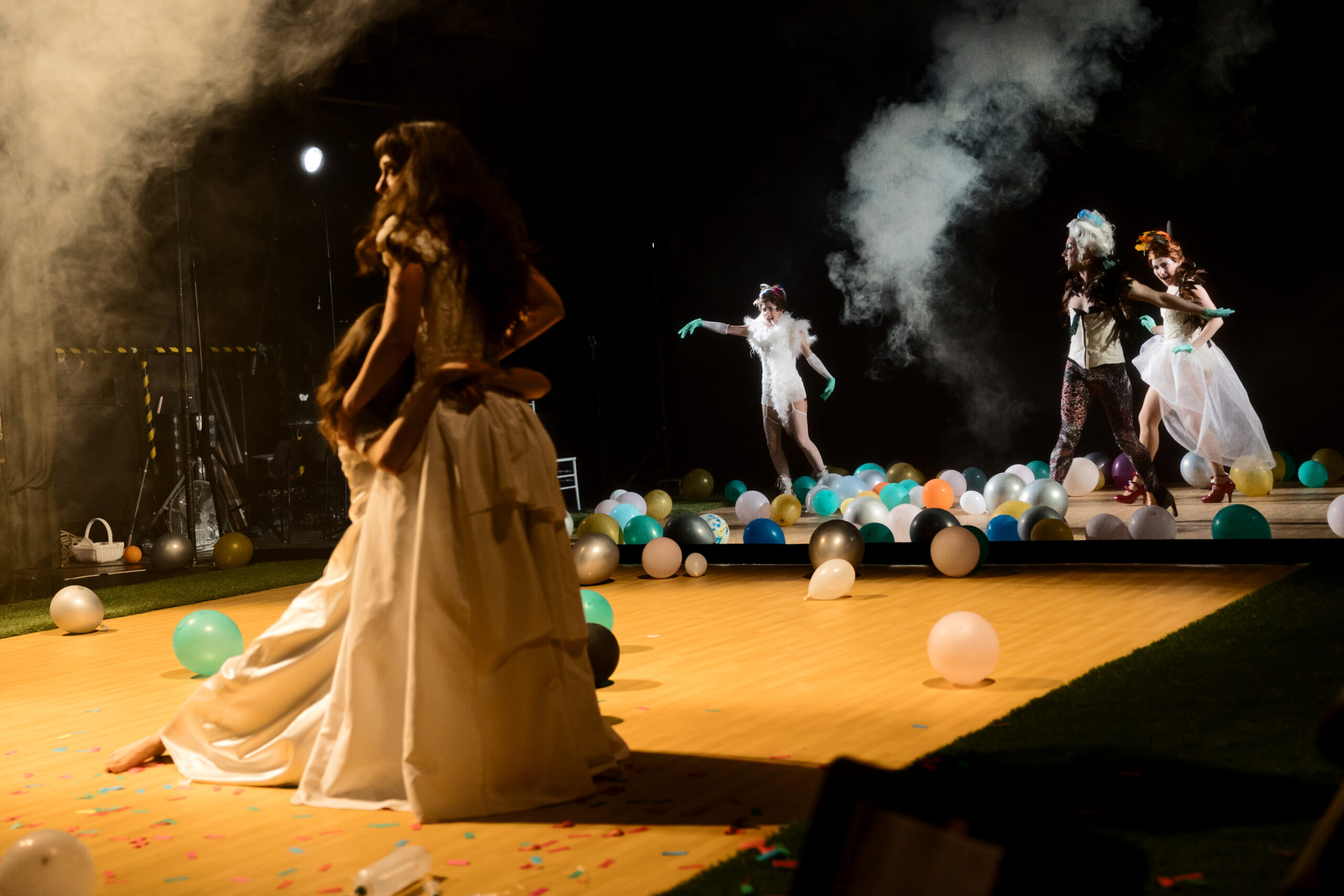
In April, Valletta, Malta, hosted the showcase for the international project DoSEL – Drama of Smaller European Languages, which featured productions based on dramaturgy written in smaller languages, including Mart Kangro’s “MEDIUM” (Von Krahli Theater and OÜ Olevik) from Estonia. As a member of the Estonian delegation, theatre critic Johanna Rannik also attended the festival – hereby, we are publishing her review of the event.
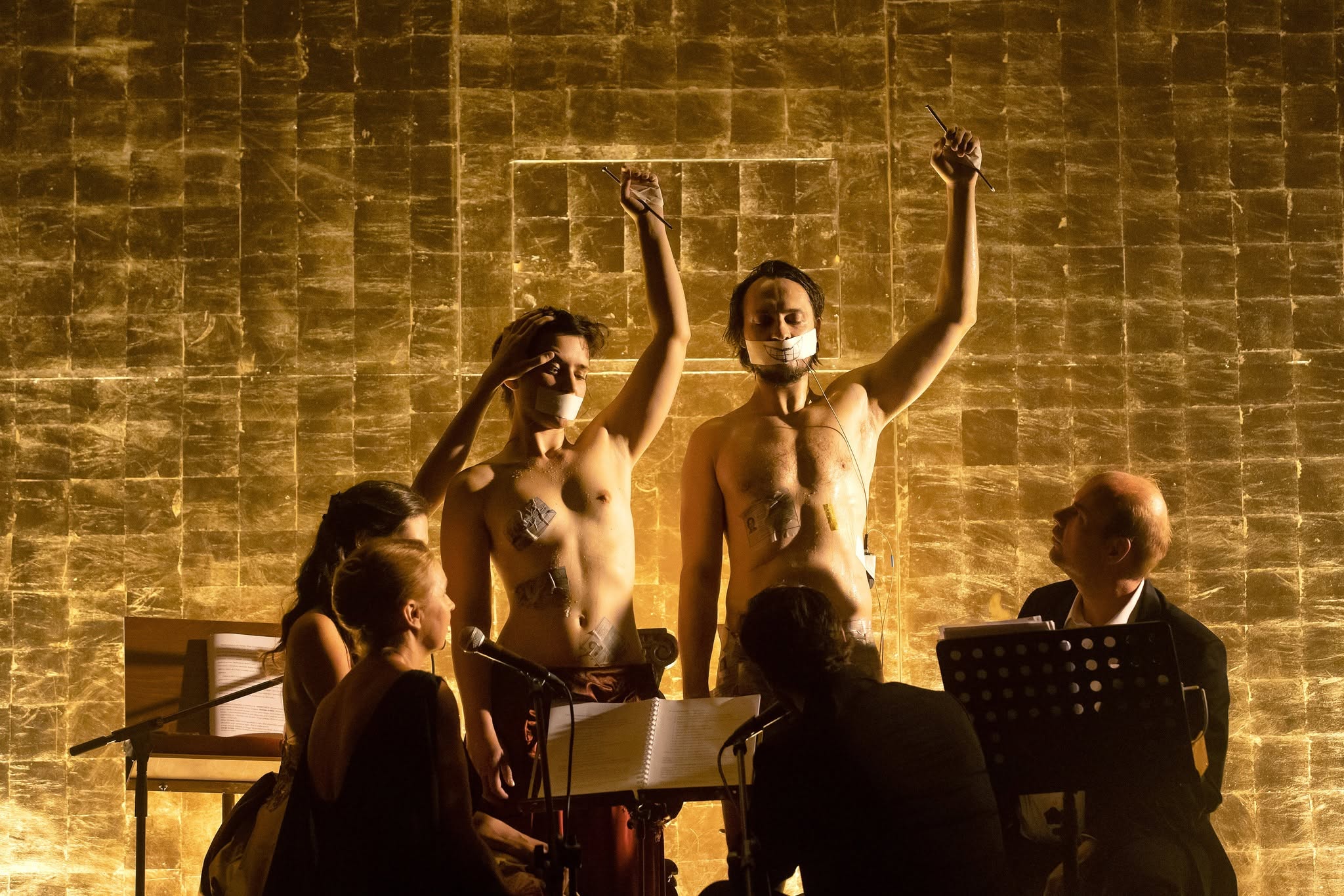
Slovenia has quite a rich, vivid and diverse performing arts scene, especially given its relatively small population of just over 2 million. The theatre scene currently consists of eleven theatre institutions (for spoken/drama theatre): three of which are state-funded or so-called Slovenian National Theatres; the remaining eight are defined as City Theatres (the number also includes the Slovenian Permanent Theatre in Trieste, now in Italy). In addition to those eleven, a diverse “off scene” comprising non-governmental organisations (NGOs) active in professional performing arts, e.g., producers, networks, festivals, etc., needs to be mentioned, most of whom are centralised in Ljubljana, Slovenia’s capital.
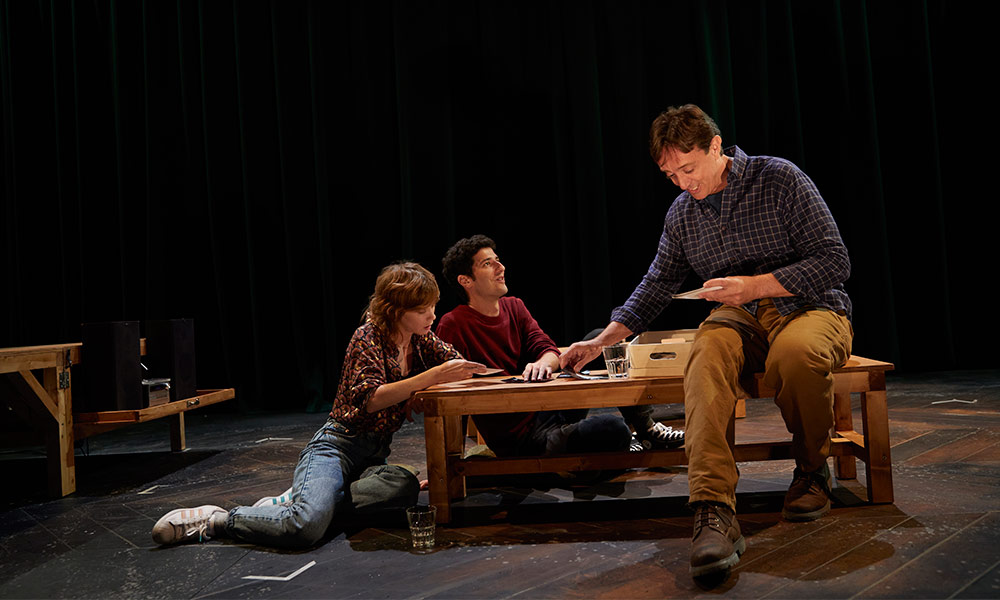
Talking about Catalan theatre means talking, above all, about theatre that is produced in Barcelona, which is one of the two theatrical poles in Spain, along with Madrid. Catalan is currently spoken by about 10 million people, spread between Catalonia, the Valencian Community, the Balearic Islands, Andorra and other small territories in the south of France and the island of Sicily.
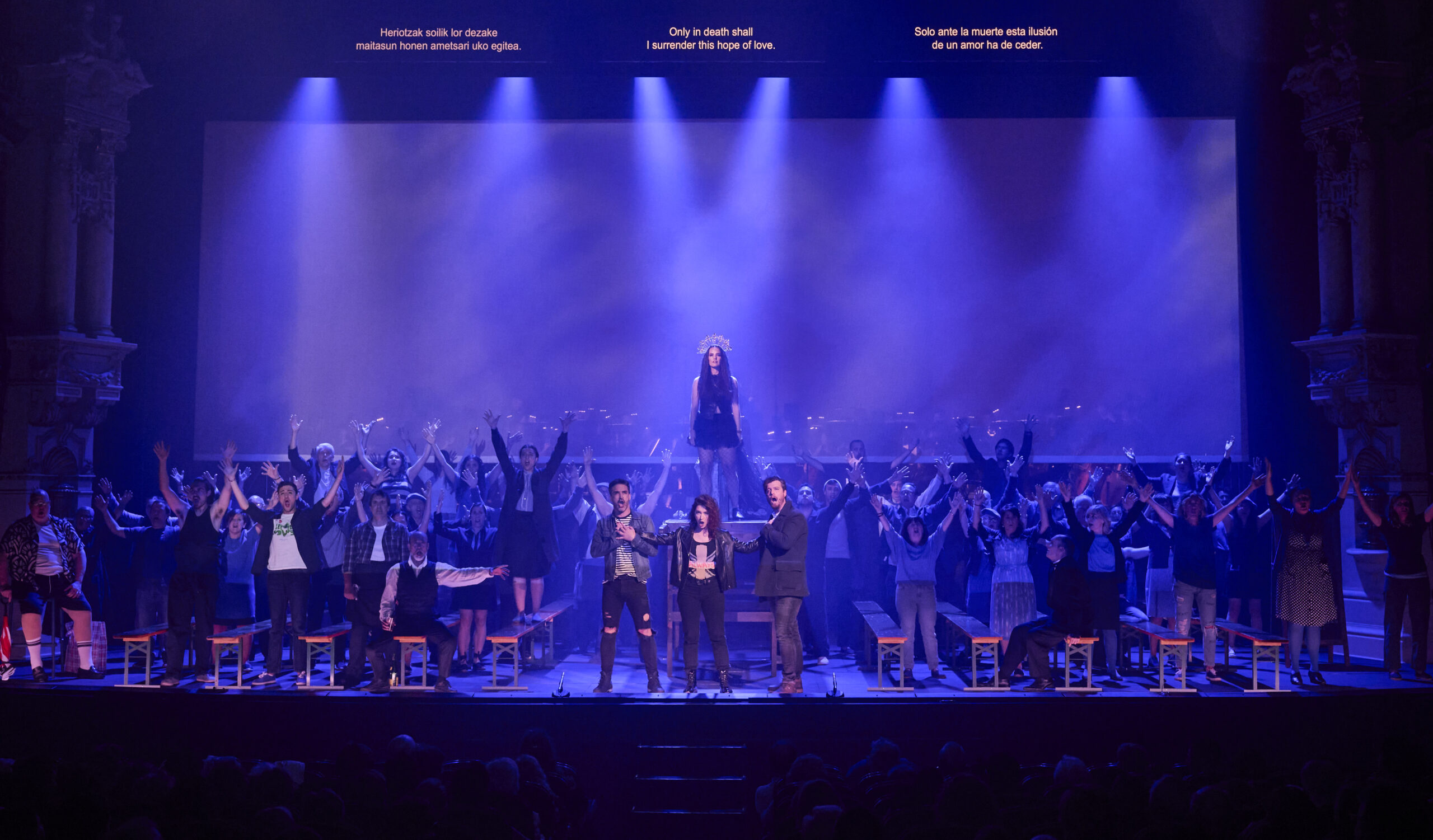
To give some context to the reality of Basque theatre, and more specifically theatre in Euskera, the Basque language, it is first necessary to understand the complex political and administrative reality determining the situation of Basque speakers.

The Maltese drama scene is energetic, diverse, and expanding. A youth finding his ground. It is anchored in local language and stories, enriched by international influences, and supported by a mix of professional institutions and grassroots creativity.

Read about how Maltese theatre system functions, how many people are visiting cultural events in Malta and Goyo and what themes contemporary Maltese playwrights are tackling.

Piret Jaaks' play Can Animals Count?, a dystopian text set in the near future, is just being translated as part of the DoSEL project.

How is the Estonian theatre system made up, how many Estonians go to theatre and how many theatre plays are written each year?

