
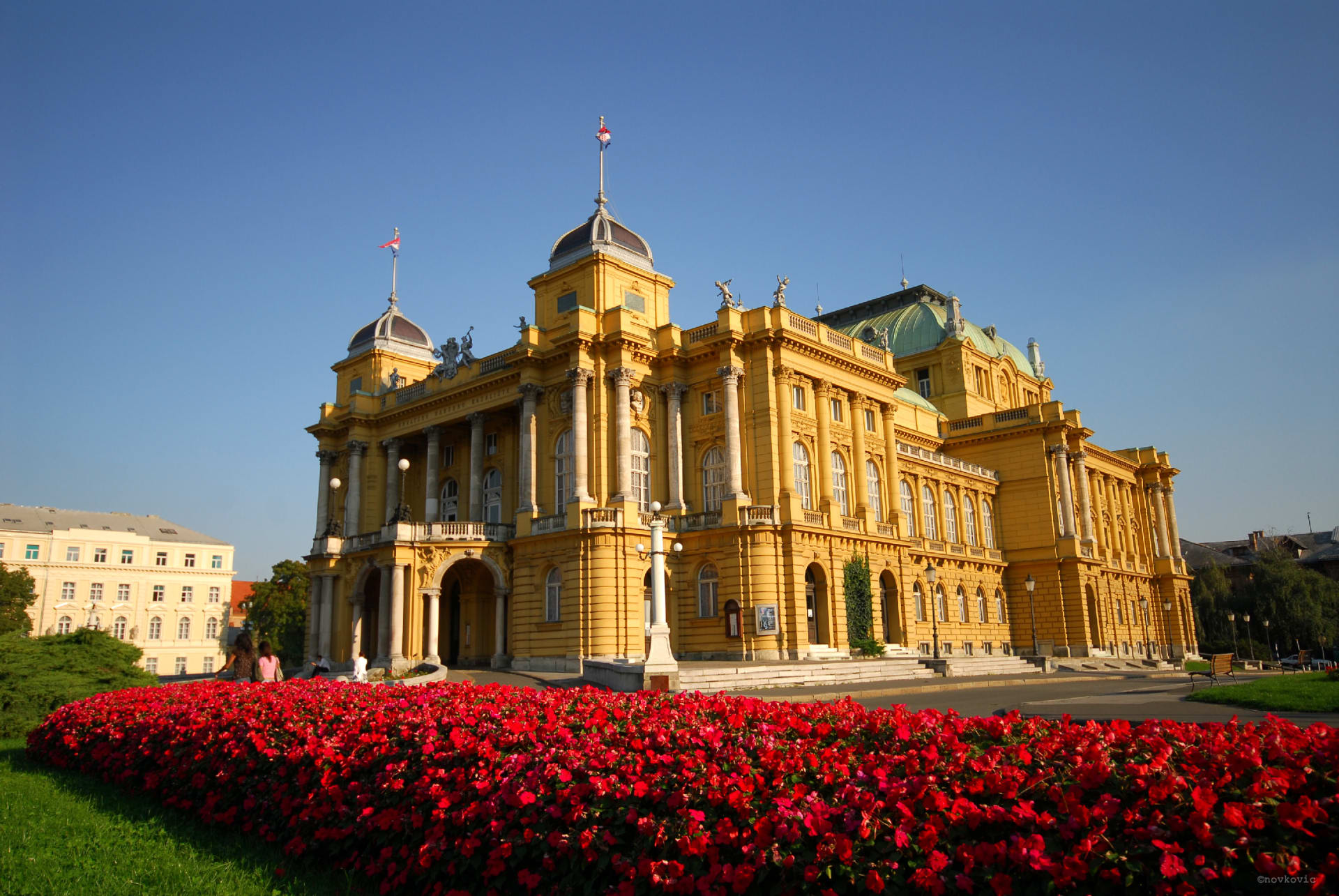
From 6 to 8 October 2026, Zagreb will become a meeting point for European theatres. On the final event of the DoSEL project we will present the printed and e-books of published plays written in smaller European languages and discuss further possibilities of bringing them across linguistic and national borders.

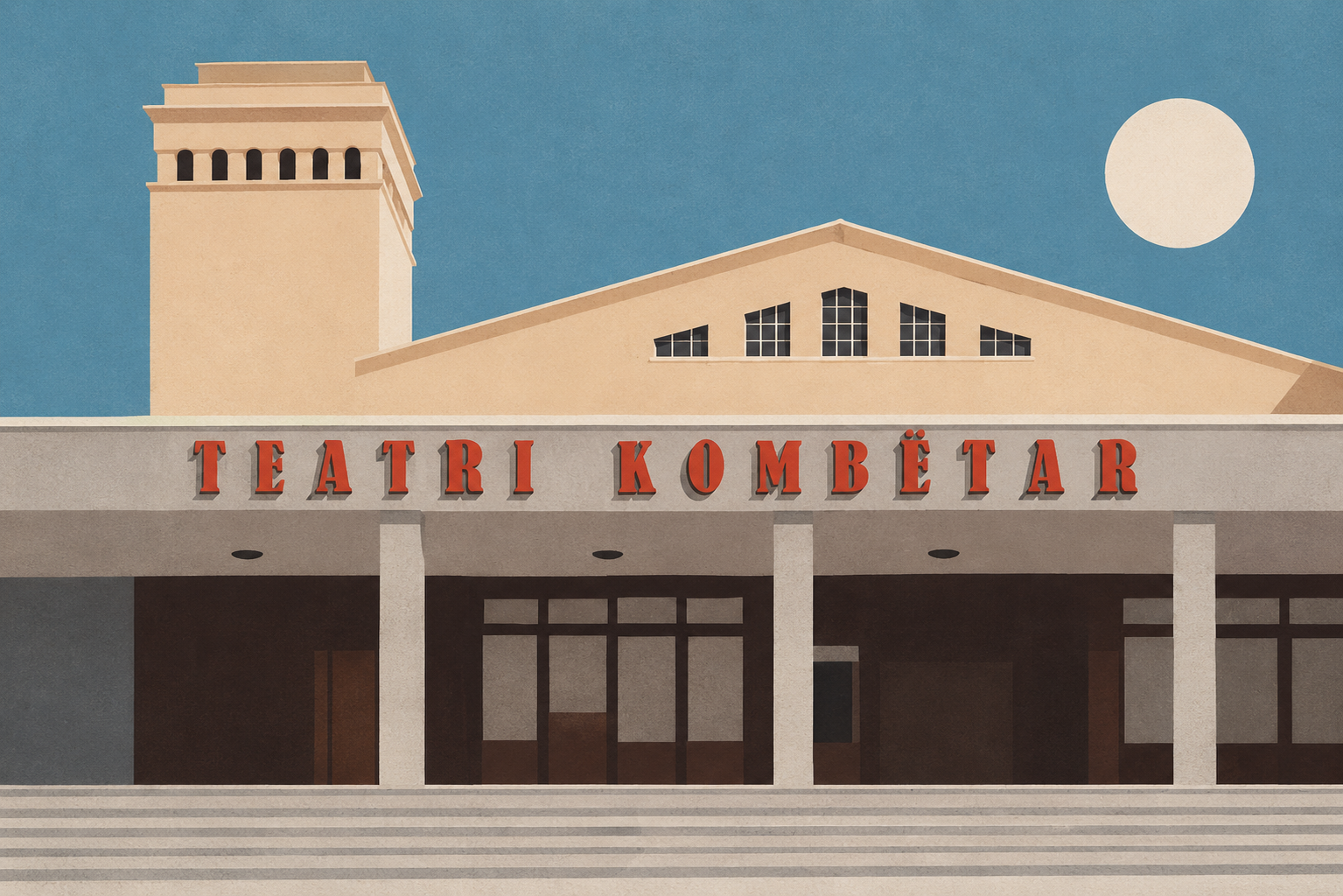
Drama in Kosova has developed alongside theatre, but its history is also the story of a body of literature that has sought new ways of addressing identity, history, society, and the human condition.
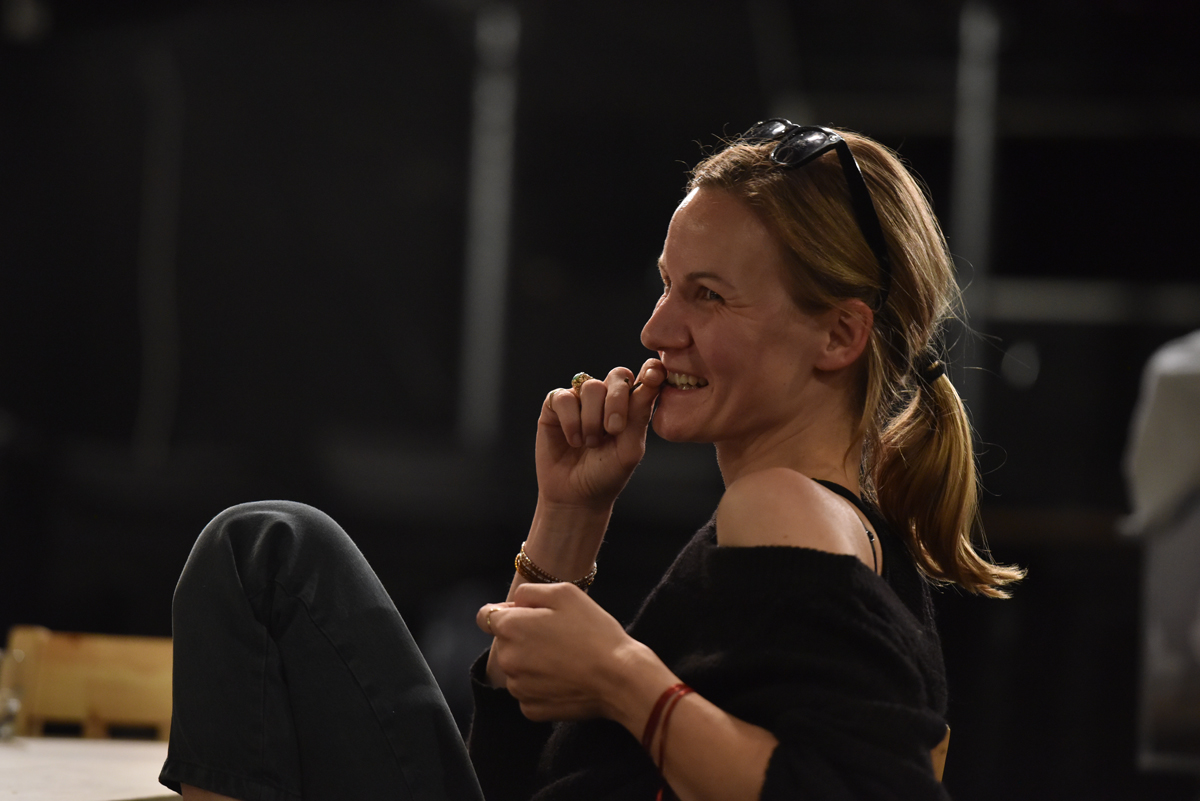
Maša Pelko is a Slovenian playwright. Her play FÜR OPHELIA (A Mythology of Drowning) was translated into English and Estonian as part of the translation workshops organised within the DoSEL project.
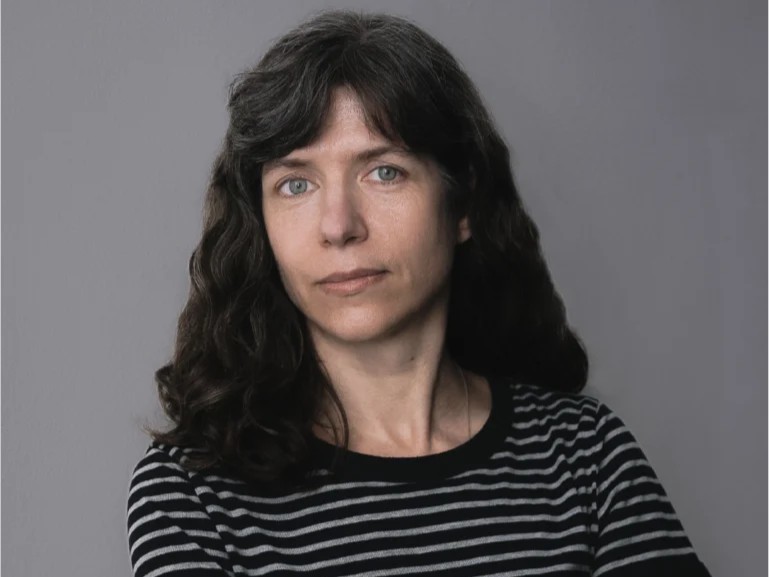
Izaskun Gracia Quintana is a Basque translator and editor. In the frame of DoSEL project she translated the play THE ADVENTURES OF THE BOSCH FAMILY IN UNMIKISTAN by Jeton Neziraj to Basque language.
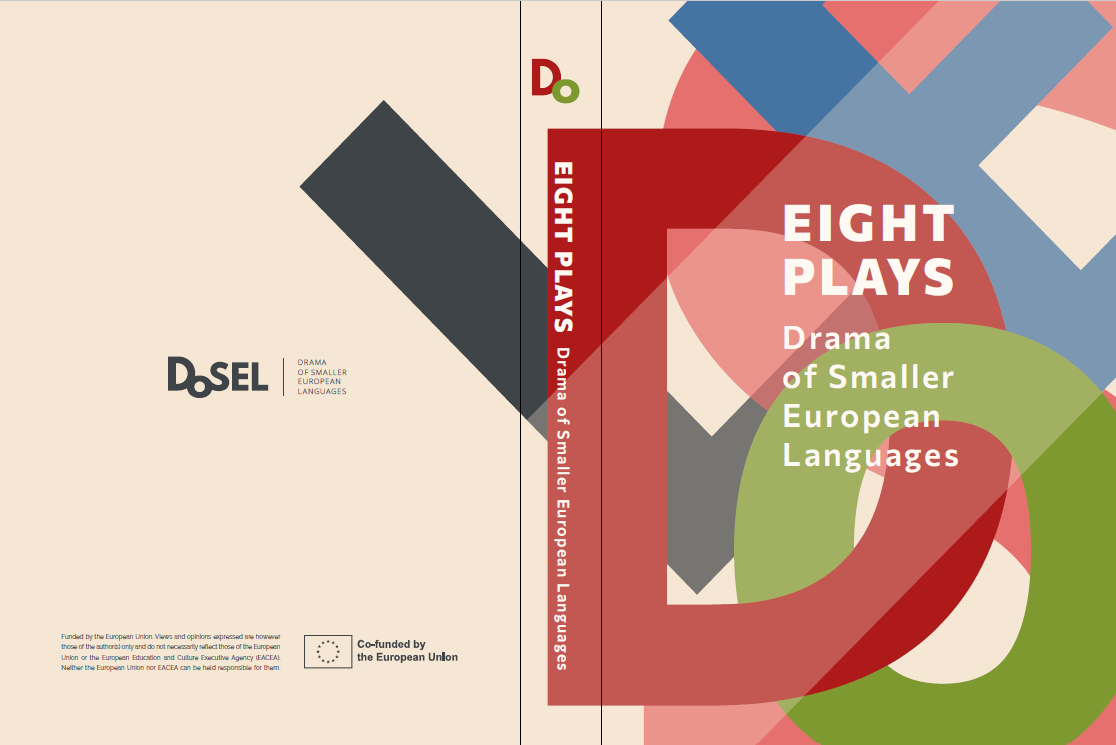
The DoSEL project has reached another important milestone with the publication of the English-language anthology EIGHT PLAYS. Drama of Smaller European Languages. The book was presented on 9 July 2026 at the prestigious Avignon Theatre Festival in France.

