On Maltese theatre & drama
Theatre system
According to Spazji Teatrali: A Catalogue of Theatres in Malta and Gozo, there are about 78 theatre spaces on the Maltese islands, and this includes historic theatres, community theatres, halls, band club spaces and other performance venues that are used for theatre and related live productions. Not all are dedicated solely to theatre, but they are recognised as usable spaces that contribute to Malta’s rich theatre ecology.
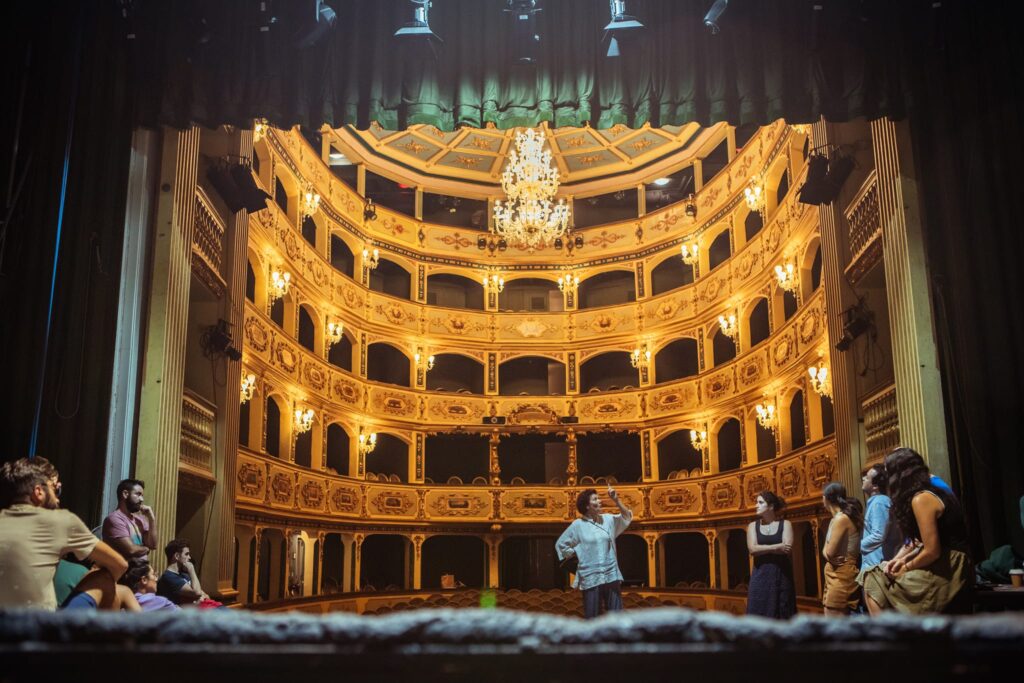
There are nine main theatres, which are Teatru Manoel, Spazju Kreattiv, the Valletta Campus Theatre, Pjazza Teatru Rjal, which is fully outdoors, Theatre Next Door, Teatru Salesjan, the Mediterranean Conference Centre, Aurora and Astra Theatres in Gozo.
According to the Cultural and Creative Practice Survey 2024, which was conducted by Arts Council Malta with the National Statistics Office, a significant share of the Maltese population participates in cultural and artistic activities, and live performances, including theatre, are part of this engagement data collected, though the published summary focuses more on participation patterns than raw attendance numbers.
The number of people practising cultural activities increased notably from about 71,400 to over 109,000 people between the previous survey period in 2019 and the current period, indicating greater active involvement in creative pursuits across Malta’s population. According to the National Statistics Office (NSO), the estimated total resident population of Malta and Gozo at the end of 2024 was approximately 574,250.
One should keep in mind that theatre in the Maltese language developed strongly in the 19th and early 20th centuries. It became a tool for promoting national identity and for social commentary.
Among cultural practitioners, the share engaged in production roles increased from 9 % to 14 %, suggesting a shift toward professional diversification and organisational capacity in the arts ecosystem.
Meanwhile, the proportion identifying their role as a performer, which includes theatre performers, declined slightly from 19 % to 17 %.
Contemporary dramaturgy
Maltese contemporary dramaturgy reflects a dynamic negotiation between tradition and change, rooted in the island’s complex social, linguistic, and political realities. Emerging strongly from the late twentieth century onwards, it has moved beyond historical and folkloristic themes to engage directly with present-day concerns such as identity, memory, power, and the environment.
Maltese playwrights experiment with form and language, often blending Maltese and English, incorporating documentary elements, and challenging linear storytelling.
“We don’t lack talent, but we do lack data and numbers”
The Maltese theatre scene lacks substantial documentation; in fact, there is no official, regularly published figure from the NSO or another Maltese government body stating exactly how many original Maltese-language plays are produced in Malta every year.
There is also a lack of original plays in both Maltese and English. For example, Teatru Manoel, which is Malta’s oldest theatre, the 2025–26 season included many productions, over 50 in total, but many are concerts, musicals, opera, and touring works, not all original Maltese plays. Translated and adapted works are popular.
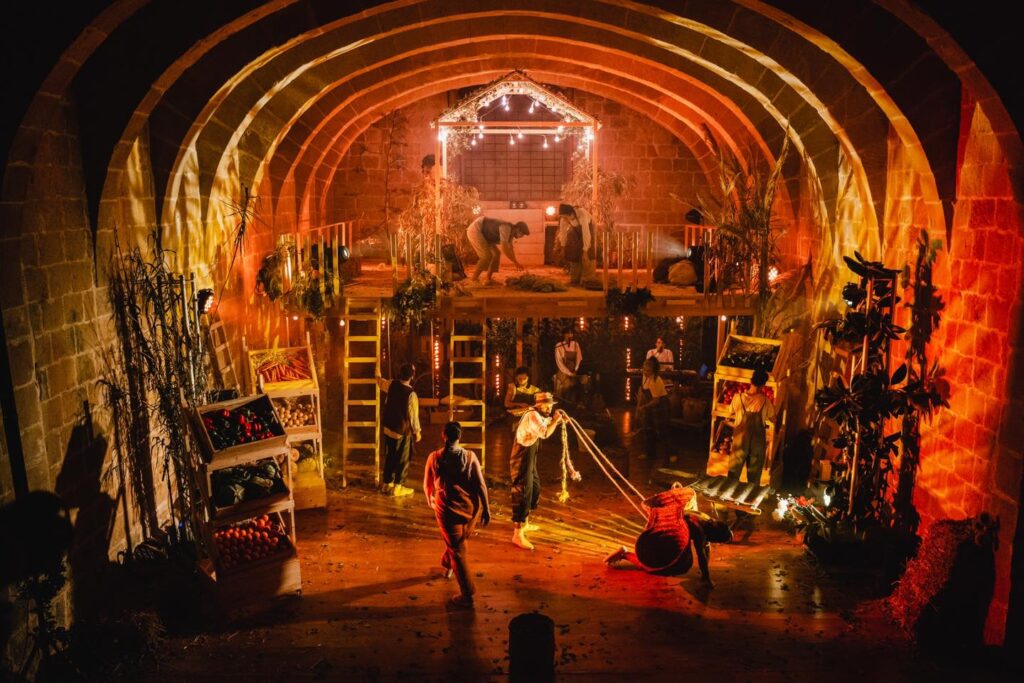
Rather than simply transferring standard foreign texts to the stage, Teatru Malta’s recommendations emphasise original Maltese voices and perspectives, especially in shows that address identity and social commentary. Diverse theatrical formats from classroom plays and musicals to community-led storytelling and site-specific works.
A national-theatre-without-walls ethos, meaning theatre occurs in non-traditional spaces too, like community gatherings, schools, forts, etc., making theatre accessible and embedded in daily life.
This is also reflected in the programming, as they are reaching out to younger audiences and senior citizens through initiatives like Każin60+.
Teatru Malta supports initiatives such as Trikki Trakki, a youth theatre festival created by young people for young people. This kind of platform encourages young performers and creators to be directly involved in theatre — not just as spectators, but as participants, devisers, and performers. There are also classroom plays that address issues affecting youth. Then, interactive productions like MITI MITI were specifically designed to engage children and families and were presented in a bilingual format.
Furthermore, Studio Francis is a script development initiative that supports and nurtures new dramatic writing, especially in the Maltese language, and celebrates the legacy of one of Malta’s most important playwrights, Francis Ebejer.
Studio Francis Ebejer is a collaboration among three major Maltese cultural institutions that invites playwrights to submit and develop theatre and radio plays. The initiative builds on the traditions of earlier programmes and provides extensive support for script research, development, and production.
More information on Maltese theatre and drama in >> this DoSEL document.
Photos: Teatru Malta