

A short interview with the Slovenian playwright MAŠA PELKO
Maša Pelko is a Slovenian theatre and radio director, playwright, and dramaturg. A graduate of the Academy of Theatre, Radio, Film and Television Ljubljana, she has directed at major Slovenian theatres, including the Slovenian National Theatre Drama Ljubljana, the Slovene National Theatre Maribor, and the Slovene National Theatre Nova Gorica. Her work has been featured at leading theatre festivals, and she has received numerous awards for theatre direction. Pelko also received the Young Playwright Award (now Zofka Kveder Award) in 2018. In 2025, she was nominated for the Slavko Grum Award for the Best New Slovenian Play with her play, FÜR OPHELIA (A Mythology of Drowning).
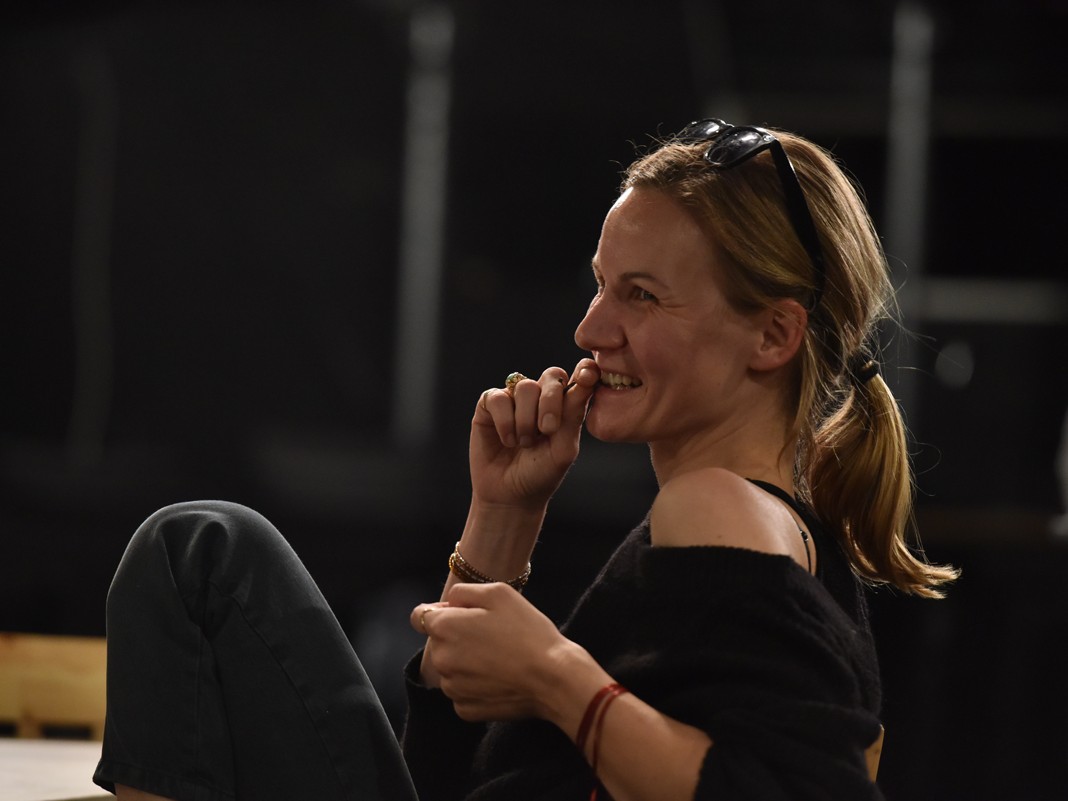
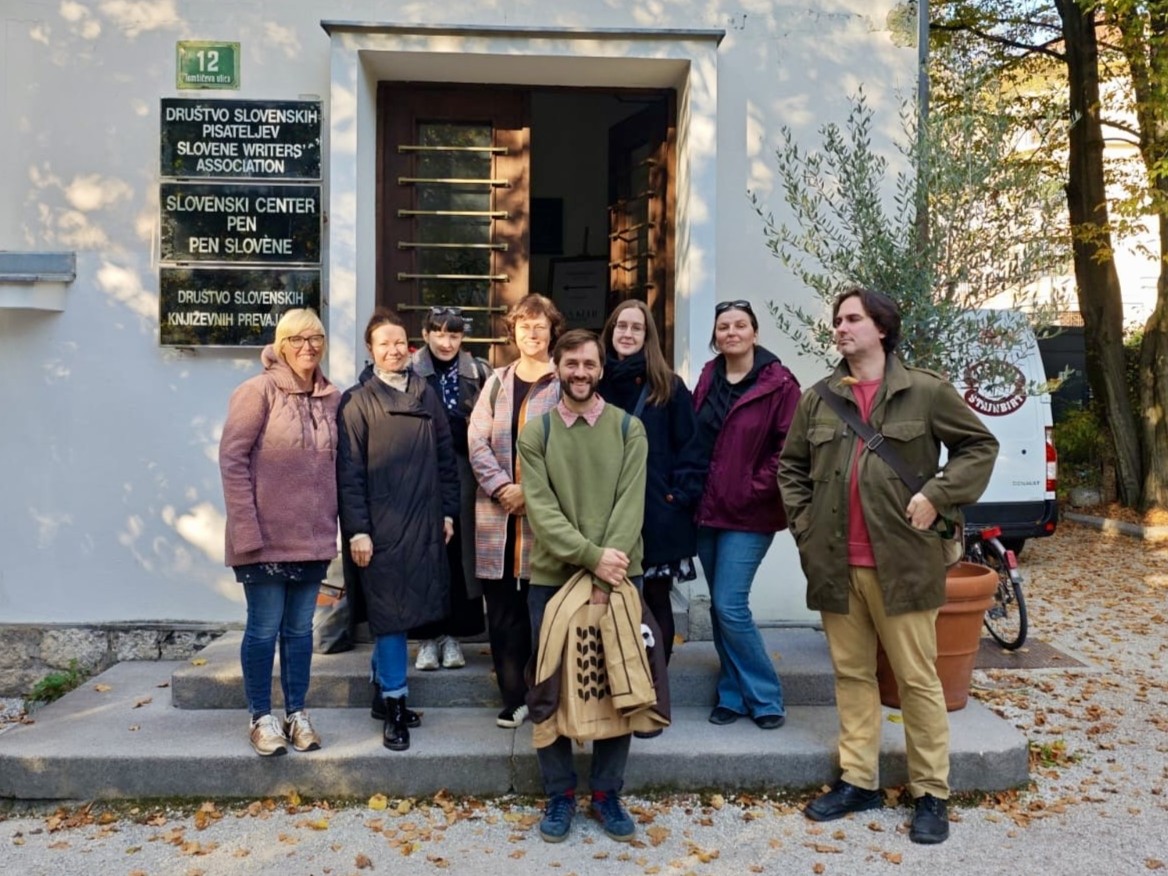
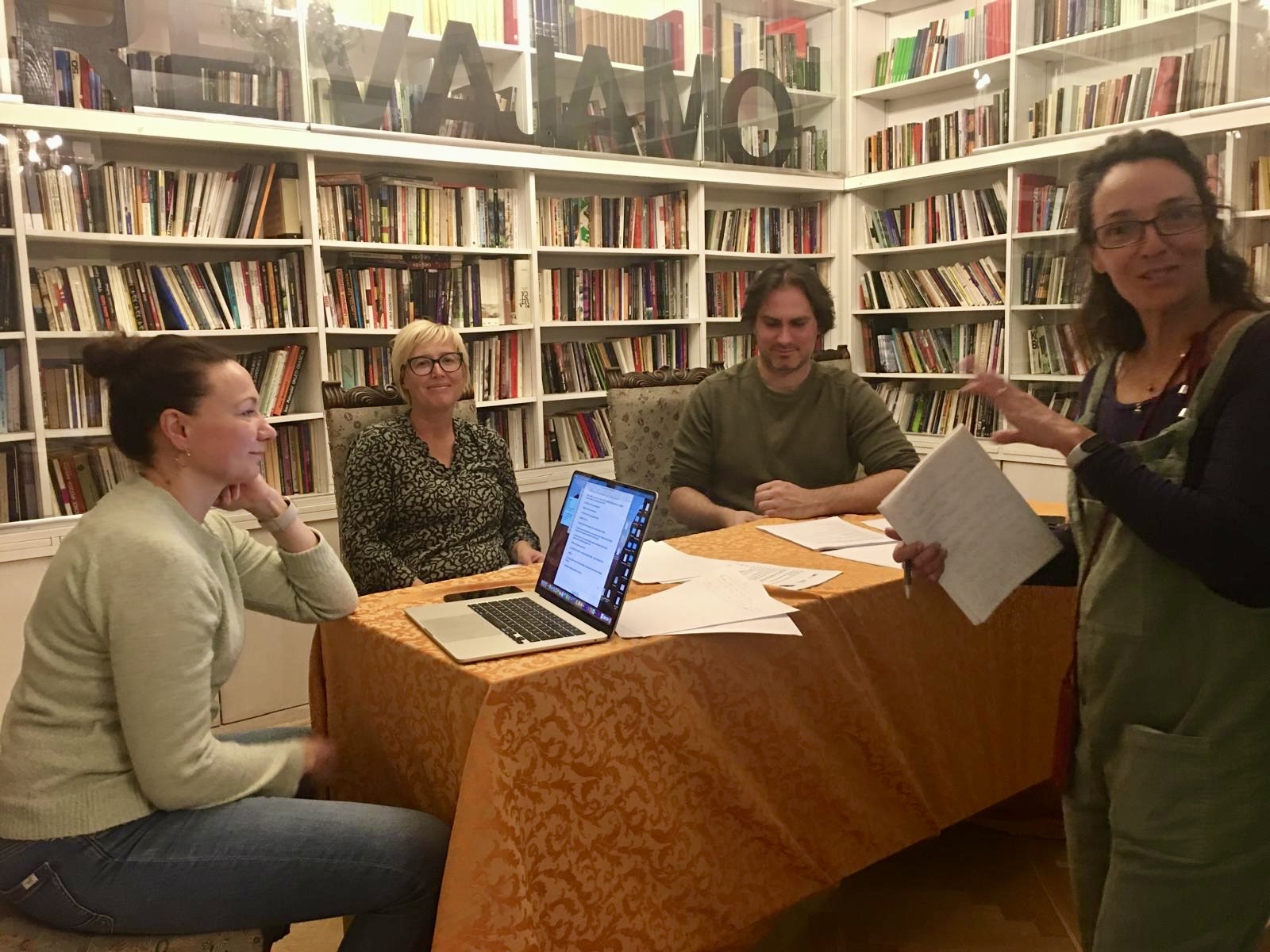
In the interview Maša Pelko talks about her work and her experience within the DoSEL – Drama of Smaller European Languages project. This short interview was recorded during the Estonian-Slovenian translation workshop in Ljubljana in October 2025. Her play FÜR OPHELIA (A Mythology of Drowning) is being translated as part of the DoSEL project.
>> Press for the video interview HERE <<
Or read the short interview below in English and Slovenian.
In English
Why do you find projects like this important, and what do you expect from the DoSEL project?
I think that the project is a phenomenal experience, mainly because it brings together people from completely different contexts, environments, social positions, and above all, from countries that speak different languages, allowing them to gather in one place and discuss certain topics and how these resonate in each country in their own specific way.
Tell us a few words about your text.
This text was extremely important to me. I felt it was crucial to write it because, in the Slovenian context at the moment, femicide has become something we are talking about almost on a daily basis. It felt very important to address this and bring it into focus through a form of language that may not be predictable or self-evident, but framed through the perspective of a child and how he – or she – experiences this violence between parents from a child’s point of view.
What do you think will be the biggest challenge in translating your text?
I think it’s quite a tricky text to translate simply because it is made up of a large number of different materials. There are dialogues, quotes, theory, historical overviews, and it seems to me that finding a language that can connect these parts while also clearly separating them and allowing for a strong and meaningful stage realisation will be an experience in itself.
In Slovenian
Zakaj se vam tovrstni projekti zdijo pomembni in kaj pričakujete od projekta DoSEL?
Meni se zdi, da je projekt fenomenalna izkušnja, v imenu tega, da se lahko ljudje iz popolnoma različnih kontekstov, okolij, družbenih pozicij in predvsem iz drugačno govorečih držav, znajdejo na kupu in debatirajo o določenih temah in o tem, kako rezonirajo v vsaki državi posebej.
Povejte nekaj besed o vašem besedilu.
Meni je bil ta tekst izjemno pomemben. Zdelo se mi je ključno, da ga napišem zaradi tega, ker se mi zdi, da je v slovenskem prostoru trenutno femicid postal ena stvar, o kateri se že skoraj na dnevni bazi pogovarjamo. In zdelo se mi je zelo pomembno, da se to izpostavi in nagovori skozi govorico, ki pa mogoče ni predvidljiva ali pa samoumevna, ampak jo zavijemo v perspektivo otroka in kako on – oziroma ona – doživlja to nasilje med starši z otroškega vidika.
Kaj menite, da bo največji izziv pri prevajanju vašega besedila?
Mislim, da je kar težko besedilo za prevod, že samo zaradi tega, kjer je sestavljen iz ogromno različnih materij. Imaš dialoge, imaš citate, imaš teorijo, imaš zgodovinske povezetke, in zdi se mi, da bo ujeti jezik, ki bo povezoval te dele, hkratih pa jih popolnoma ločeval in omogočil dobro in smiselno uprizoritev, po mojem kar težka izkušnja.
„Euroopa keel on tõlkimine.“ Umberto Eco

Email: info@tsd.si
Address: Prešeren Theatre Kranj, Glavni trg 6, 4000 Kranj, Slovenia
Funded by the European Union. Views and opinions expressed are however those of the author(s) only and do not necessarily reflect those of the European Union or the European Education and Culture Executive Agency (EACEA). Neither the European Union nor EACEA can be held responsible for them.
