
Satellite Showcase Programme & Conference
2nd October 2025, Ljubljana, Slovenia
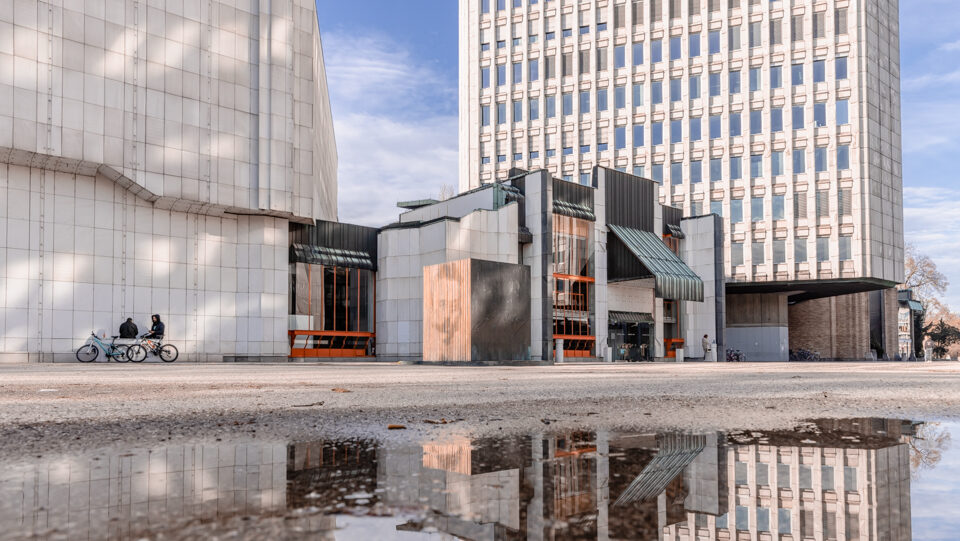
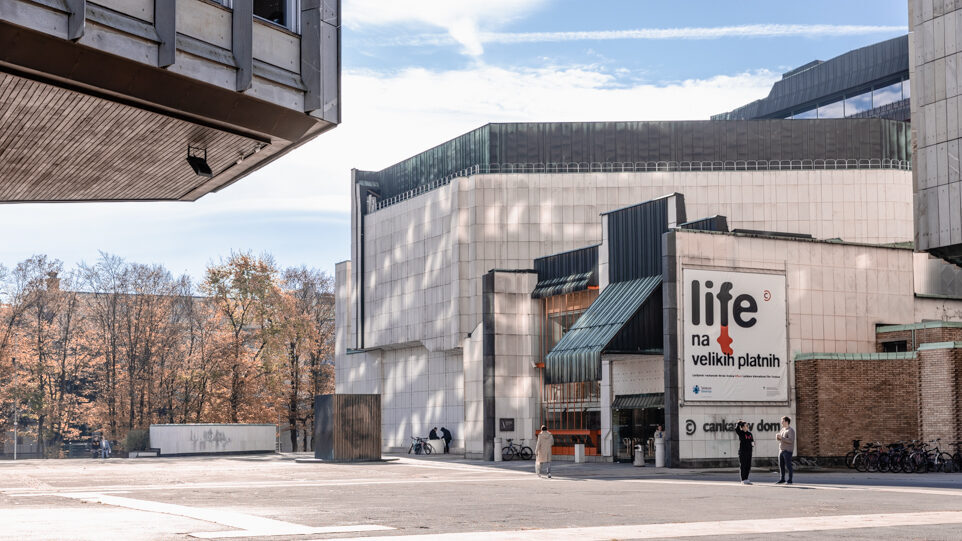
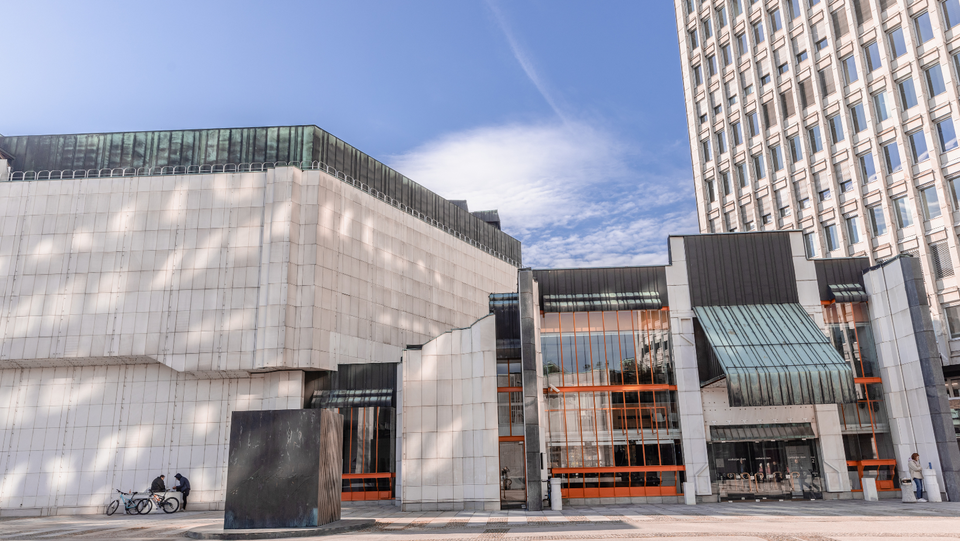
The Satellite Showcase programme, which will be hosted by the Cankarjev Dom Cultural Centre in Ljubljana, rounds off the artistic events of last spring – the international DoSEL Showcase, held during the 55th Week of Slovenian Drama in Kranj. It emphasizes the collaborative spirit of DoSEL, which nurtures and promotes cooperation among playwrights, directors, actors, and especially translators of dramatic works, who make it possible for stories born in one language to be heard and felt in many others.
Within the four days of intense activities, a conference will take place on 2 October at Cankarjev dom, focusing on the state of drama in Europe’s smaller languages within the broader European theatre landscape, as well as on the role of translation and translators.
In addition, there will be an international playwriting residency workshop bringing together playwrights from Slovenia, Croatia, Catalonia, Malta, and Bulgaria.
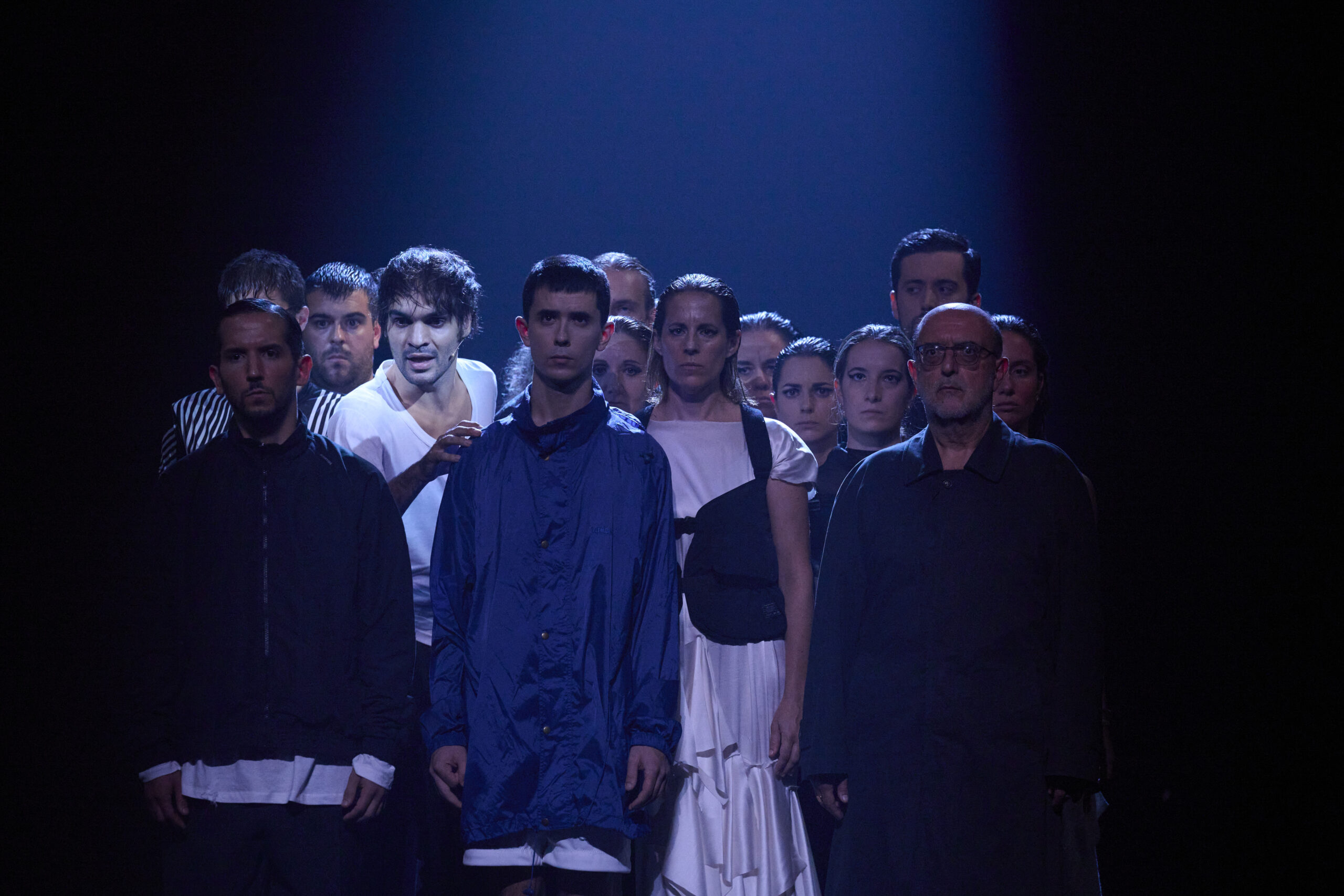
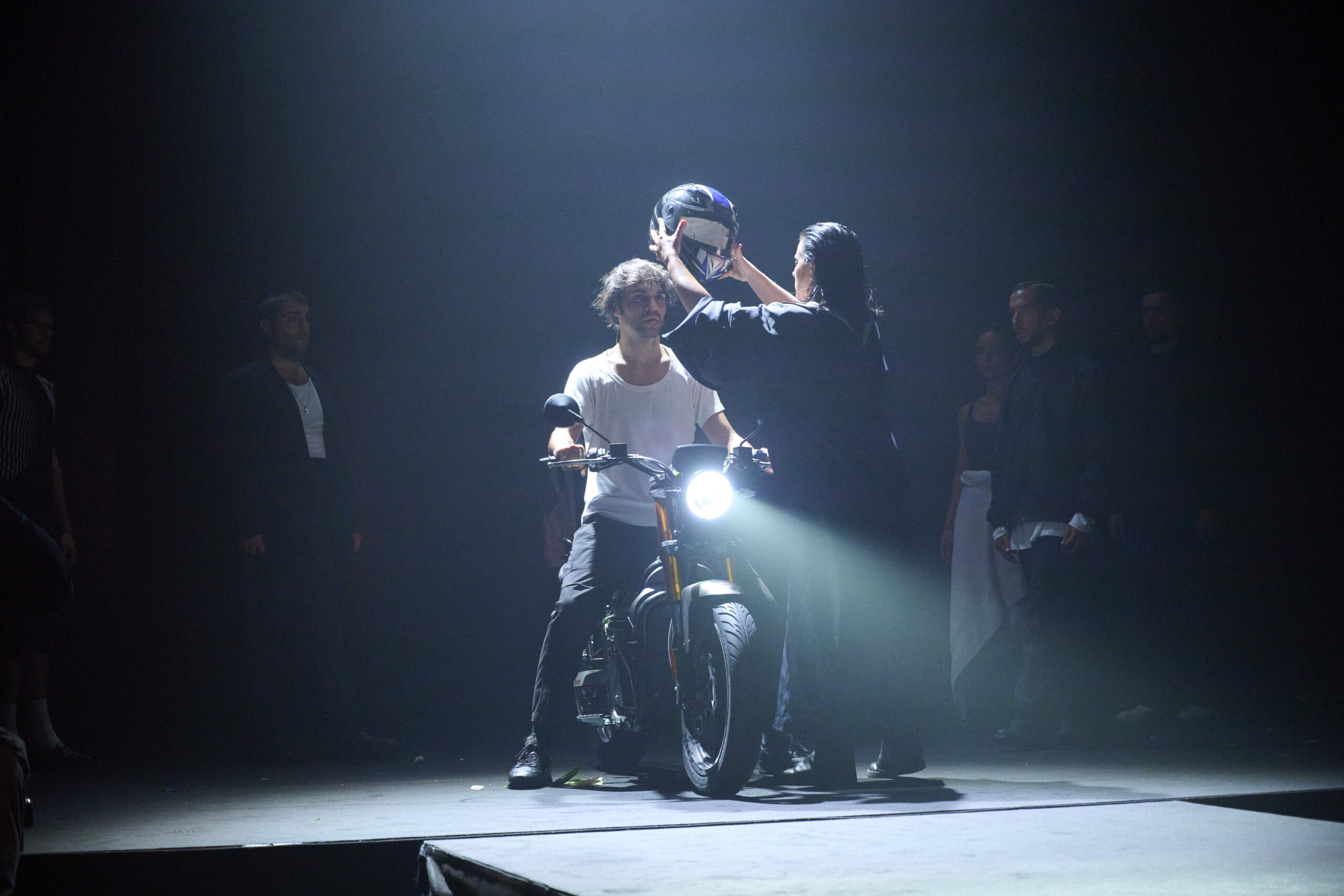
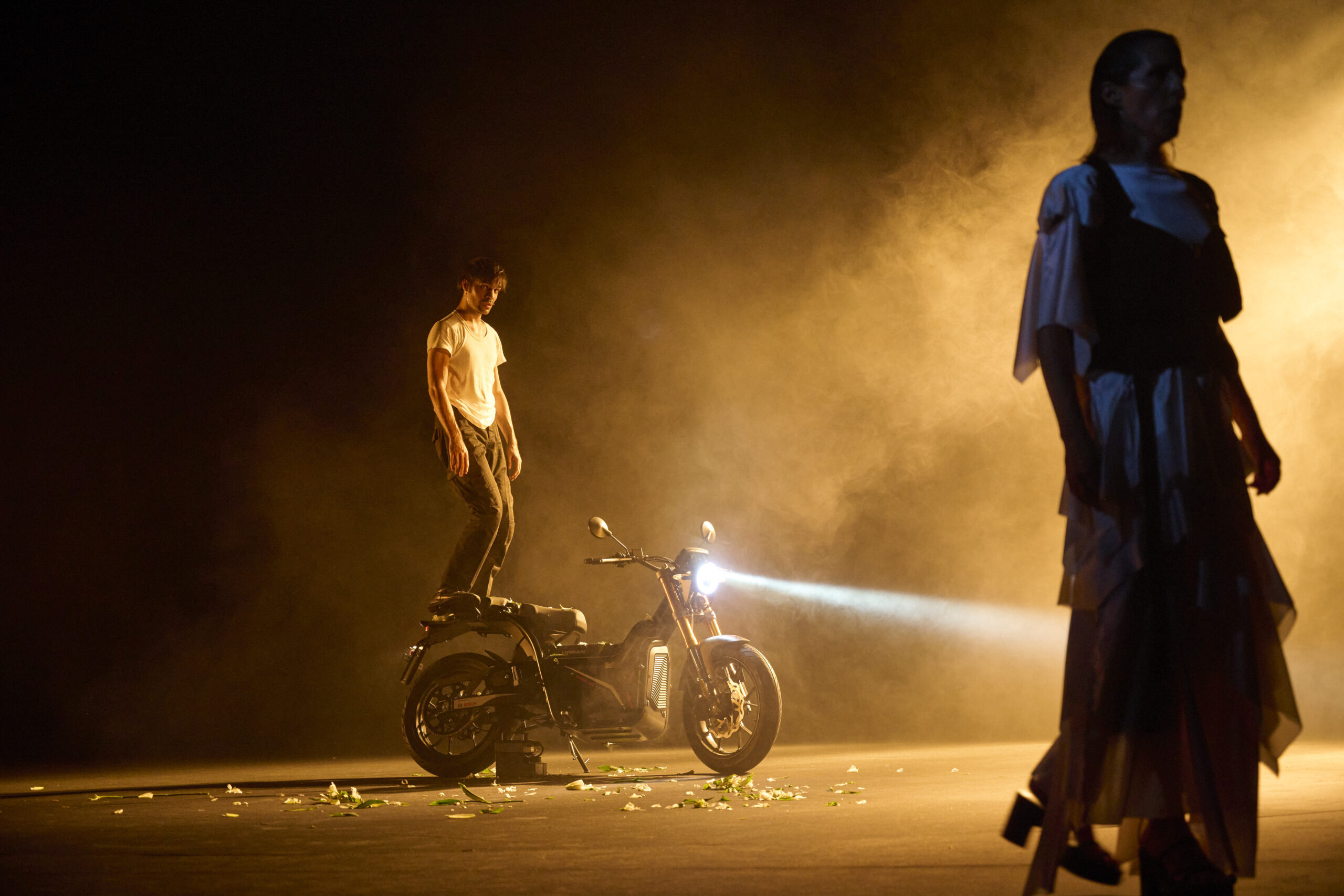
A major guest performance will be presented in the evening of 2nd October by the Arriaga Theatre from Bilbao, presenting the production MOTO – Membra Jesu Nostri in Linhart Hall at Cankarjev dom.
The following day, at the Academy of Theatre, Radio, Film and Television of the University of Ljubljana (AGRFT UL), a workshop will be held for Slovenian and Croatian students of theatre and dramaturgy, led by the director of the production, Lucía Astigarraga.
DoSEL Conference on Drama in Smaller European Languages
Thursday, October 2
Cankarjev dom, Alma Karlin Hall, Ljubljana, Slovenia
The Drama of Smaller European Languages Project – DoSEL is dedicated to increasing the visibility and vitality of dramatic works created in Europe’s smaller languages. By encouraging their translation, staging, and circulation, the project highlights that the richness of European theatre lies in the diversity of languages, perspectives, and stories from different linguistic and cultural contexts, while also drawing attention to the vulnerability of smaller European dramatic traditions and their original cultural and artistic environments.
This conference will open two important questions, connected to the topic of the DoSEL project – what is the current position of smaller European languages in the European theatre sector and what is the role of translation in promoting drama written in smaller European languages.
The working language of the conference is English.
Conference programme
10.00 – 11.00 Participant check-in (Cankarjev dom, Alma Karlin Hall)
11.00 – 11.30 Opening remarks
Mr Rok Bozovičar, General Manager, Prešeren Theatre Kranj
Mr Jure Novak, General Manager, Cankarjev dom
Ms Barbara Koželj Podlogar, Director-General of the Creativity Directorate, Ministry of Culture of the Republic of Slovenia
11.30 – 12.30 Panel session 1: The Role of Smaller European Languages
“What is the position of smaller European languages in the contemporary European theatre sector?”
- Mr Victor Muñoz, Author Relations, Sala Beckett
- Ms Zala Dobovšek, PhD, Dramaturg, Week of Slovenian Drama Selector
- Ms Laura Gardes, ETC Network and Project Manager
- Mr Darko Lukić, PhD, Theatre Scholar, Cultural Theorist
Moderator: Mr Jakob Ribič, Researcher and Critic
Read more about the discussion
What Position Do Smaller Languages Have in Contemporary Theatre?
Language in theatre is much more than just a means of communication; it is also connected to micropolitical questions of power, access and cultural visibility. In a time when collaborations between artists and between productions are increasingly international, which is also the time in which globalisation is strengthening major languages, the question of how smaller languages exist and are heard in this space inevitably emerges. Plays written in these smaller languages often remain confined to their local environment; they cross their national borders less often and thus reach international stages with more difficulty. A range of systemic obstacles contribute to this: limited resources for translation, weaker institutional support, less visibility, etc. Plays written in smaller languages thus often stay on the margins of international theatre activity.
To change that, theatre institutions from eight different linguistic and cultural environments – Kosovo, Estonia, the Basque Country, Slovenia, Bulgaria, Catalonia, Malta and Croatia – connected in a joint European project Drama of Smaller European Languages (DoSEL). The project aims to strengthen international recognisability and accessibility of the plays from smaller languages and encourage their more frequent staging. The project thus seeks to establish mechanisms that would allow the drama texts to travel to countries beyond their country of origin, and works to improve the conditions for translations and transnational stagings of European drama.
The discussion, which will begin with the question about the position of smaller European languages in contemporary European theatre, will first present the DoSEL project and then move on to strategies that would allow smaller languages to enter the international stages, as well as cultural policies and networks that can encourage multilingualism and linguistic diversity, to micropolitical aspects of the role a language has in contemporary theatre, the examples of good practice, and finally, to what “a smaller” language even means in the context of the contemporary European theatre production.
12.30 – 13.30 Lunch, Cankarjev dom
14.00 – 15.00 Panel session 2: Translation of plays
“What is the role of translation in promoting the drama of smaller European languages?”
- Ms Julija Potrč Šavli, Drama Translator
- Mr Dino Pešut, Author and Dramaturg, Croatian National Theatre
- Mr Ivan Dodovski, PhD, Theatre Scholar and Writer, Eurodram Network President
- Mr Gašper Troha, PhD, Researcher, Slovene Theatre Institute Director
Moderator: Ms Barbara Skubic, Dramaturg and Translator
Read more about the discussion
What is the role of translation in promoting the drama of smaller European languages?
The second part of the conference will focus on the role of translation and translators. We will look into how international producers access drama texts in foreign languages and the path of plays to translations (and international stages).
Unlike book publishing, where the translator alone can be a very efficient mediator and promoter of a text, more things need to be considered when the said text is a play.
What are the practices in individual countries when it comes to translating drama into foreign languages? Are there differences in the conditions between commissioned and non-commissioned translations? How do the systemic support mechanisms for translations and translators differ from country to country? Has the use of machine translations into relay languages increased to meet the demand for sample translations? And what is the situation with publishing plays?
The repertoires of European theatres are noticeably shaped by theatre trends, the circulation of authors and their texts. How can playwrights writing in smaller European languages (and their texts) enter the circuit of established authors and be included in the canon of the European drama?
16.00 – 18.00 Meeting with the DoSEL Consortium members and Associate partners
19.30 – 21.00 MOTO Membra Jesu Nostri, Teatro Arriaga (Cankarjev dom, Linhart Hall)
Information about the performance below.
MOTO – MEMBRA JESU NOSTRI
Presented: 2nd October, 2025, at 19.30, Cankarjev dom, Ljubljana, Slovenia
Produced by: Arriaga Theatre, Bilbao, Basque Country
When we see death it is not usually our own, however, we project ourselves into its reflection and are tormented by unanswered questions about our future. Loss generates unbearable pain. It is an accidental death of someone loved, instantaneous and unforeseen, without apparent cause or justification. Delirium can confuse everything, embellish the past, dramatically darken our vision of the world or lead us to recreate lived situations in a loop and immerse ourselves in a continuous obsessive analysis. The “I” interacts with “others” and recreates itself in search of comfort and hope, often without finding such needs satisfied. Music sings of the death of Christ, the great universal tragedy that becomes private and personal at some point in every life. The body and its parts make up a single actor, which inhabits two souls. Eneko remembers Josu’s love and swims in the forest of his childhood with the sole purpose of understanding his loss.
Read more
The piece is a staging of Dietrich Buxtehude’s 1680 concerto Membra Jesu Nostri. This cycle of seven cantatas dedicated to Christ’s feet, knees, hands, side, chest, heart and head will be interspersed with a text written and performed by the actor Eneko Sagardoy about a guy who vanishes forever in a suspected motorcycle accident and the love of the person remaining.
The composer’s bravery and brilliance, the rigour of his approaches, the novelty of his forms, and the persistent pursuit of excellence in each of his works are the trademarks of an artist worthy of comparison to Johann Sebastian Bach.
Critics views:
“A show of notable entity and complexity, which manages to maintain attraction and spell until the end”. Dabid Barbero, article ‘Moto – Membra Jesu Nostri’, big event!, Blog politico literario
“The performance was excellent; the music and the parts of the chorus and the soloists are top notch”. Arantzazu Fernández Iglesias, article ‘Here we call Josu-Eneko to Jesu’, journal BERRIA
“A good way to publicize rarely performed baroque works and to dramatize the work, giving it entertaining modernity”. Nino Dentici, article ‘A modern baroque’, journal EL CORREO
Duration: 90 minutes
Music: Dieterich Buxtehude (1637–1707): Membra Jesu Nostri, BuxWV 75 (1680)
Musical Director: Andoni Sierra
Direction, Dramaturgy and Scenography: Lucía Astigarraga
Text Author: Eneko Sagardoy
Soloists, Choir & Instrumental Ensemble: Conductus Ensemble
Costume Designer: Pau Aulí
Lighting Design: Alberto Rodríguez Vega
Actor: Eneko Sagardoy
Young Eneko: Eder Dalmau Rozadilla
Production: Arriaga Theatre, Bilbao, Basque Country, Spain
Premiere: 14 October 2022, Arriaga Theatre, Bilbao
Guest performance is produced in collaboration with Cankarjev dom and Prešeren Theatre Kranj, within the project Drama of Small European Languages – DoSEL.
Dieterich Buxtehude: Membra Jesu nostri patientis sanctissima, BuxWV 75
I. Ad Pedes / To the Feet
II. Ad Genua / To the Knees
III. Ad Manus / To the Hands
IV. Ad Latus / To the Side
V. Ad Pectus / To the Chest
VI. Ad Cor / To the Heart
VII. Ad Faciem / To the Head
Soloists
Soprano I: Ainhoa López de Munain
Soprano II: Lucía Gómez
Alto I: Mikel Uskola
Alto II: Mario Hernández
Tenor: Aitor Garitano
Bass I: Jesús García Aréjula
Bass II: Hodei Yañez
Choir
Soprano I: Ainhoa López de Munain, Jaurne Gaminde, Marta García, Irene Fraile
Soprano II: Lucía Gómez, María Jesús Ugalde, Saioa Goñi
Alto: Mikel Uskola, Mario Hernández, Larraitz Gorriño, Mirari Pérez
Tenor: Aitor Garitano, Aitor Imaz, Pablo Benavente
Bass: Jesús García Aréjula, Hodei Yañez
Conductus Ensemble
Violin I: Iñigo Aranzasti
Violin II: Ander Berrojalbiz
Cello: Alejandro Saúl Martínez
Violone: Sabina Colonna
Organ: Alize Mendizábal
Ensemble of Viols – La Chimera
Soprano viola da gamba: María Alejandra Saturno
Tenor viola da gamba: Carolina Egüez
Bass viola da gamba: Alejandro Marías
Viola da gamba, continuo: Sara Ruiz
Conductor: Andoni Sierra





Umberto Eco

Email: info@tsd.si
Address: Prešeren Theatre Kranj, Glavni trg 6, 4000 Kranj, Slovenia
Funded by the European Union. Views and opinions expressed are however those of the author(s) only and do not necessarily reflect those of the European Union or the European Education and Culture Executive Agency (EACEA). Neither the European Union nor EACEA can be held responsible for them.
