
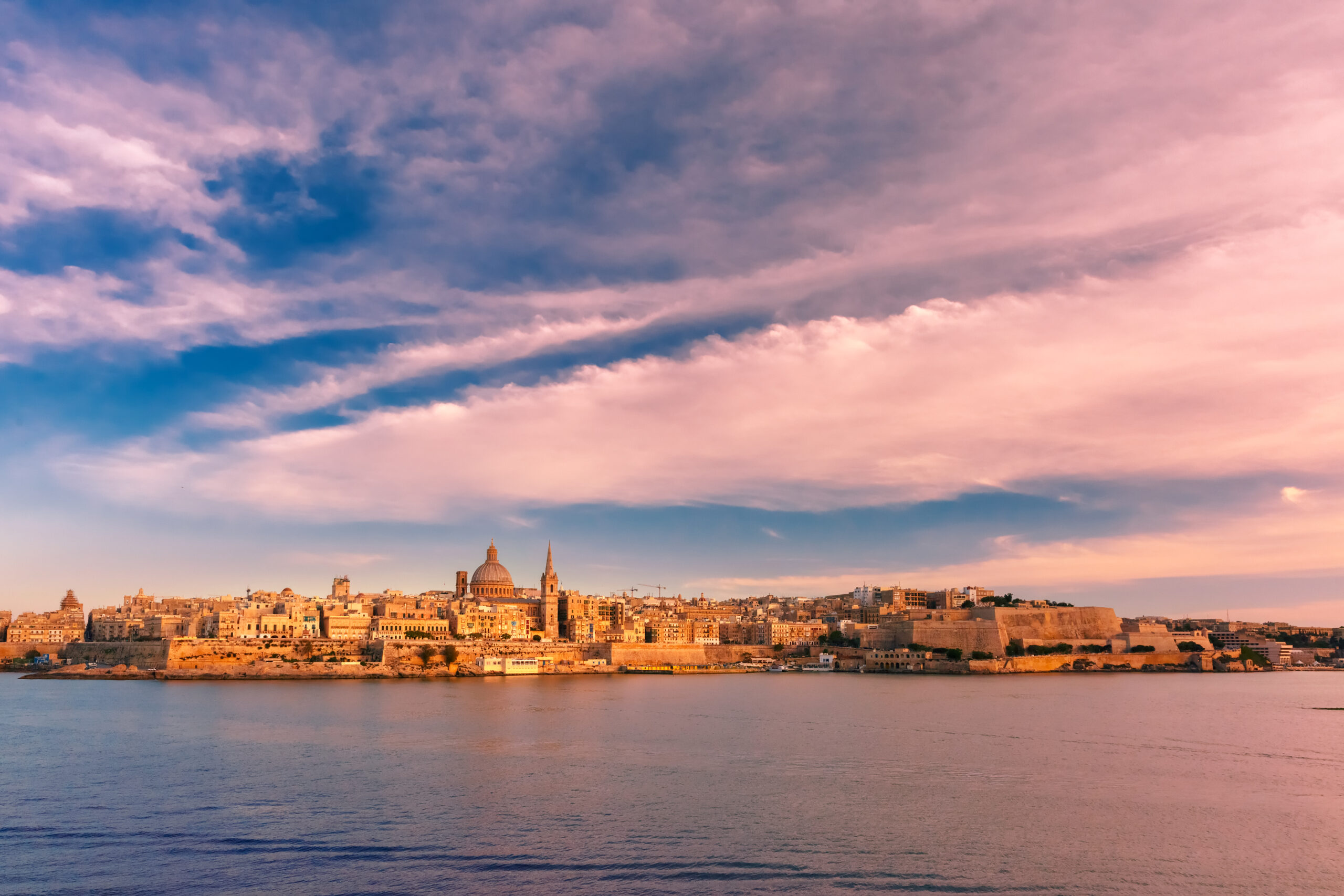
DoSEL International Showcase Malta
16th − 22nd April 2026 Valletta, Malta
At the second DoSEL International Showcase, which will be hosted by the National Agency for the Performing Arts Malta and Teatru Malta in Valletta, the performances from the partner countries will be presented, and performed in their respective languages.
The Malta showcase places particular emphasis on translation as a living artistic practice,foregrounding encounters between playwrights, translators, dramaturgs, performers, researchers, and audiences. Alongside staged performances, the programme creates dedicated spaces for reflection, shared reading, and dialogue, including conversations around emerging tools such as artificial intelligence and their impact on
translation today. The programme balances artistic presentation, professional exchange, and audience engagement, while fostering long-term relationships between international partners and the Maltese writing community.
The full programme of Malta Showcase is available in the Malta Showcase booklet:
>>FULL PROGRAMME OF MALTA SHOWCASE<<
The presented performances at the Malta Showcase are featured below.
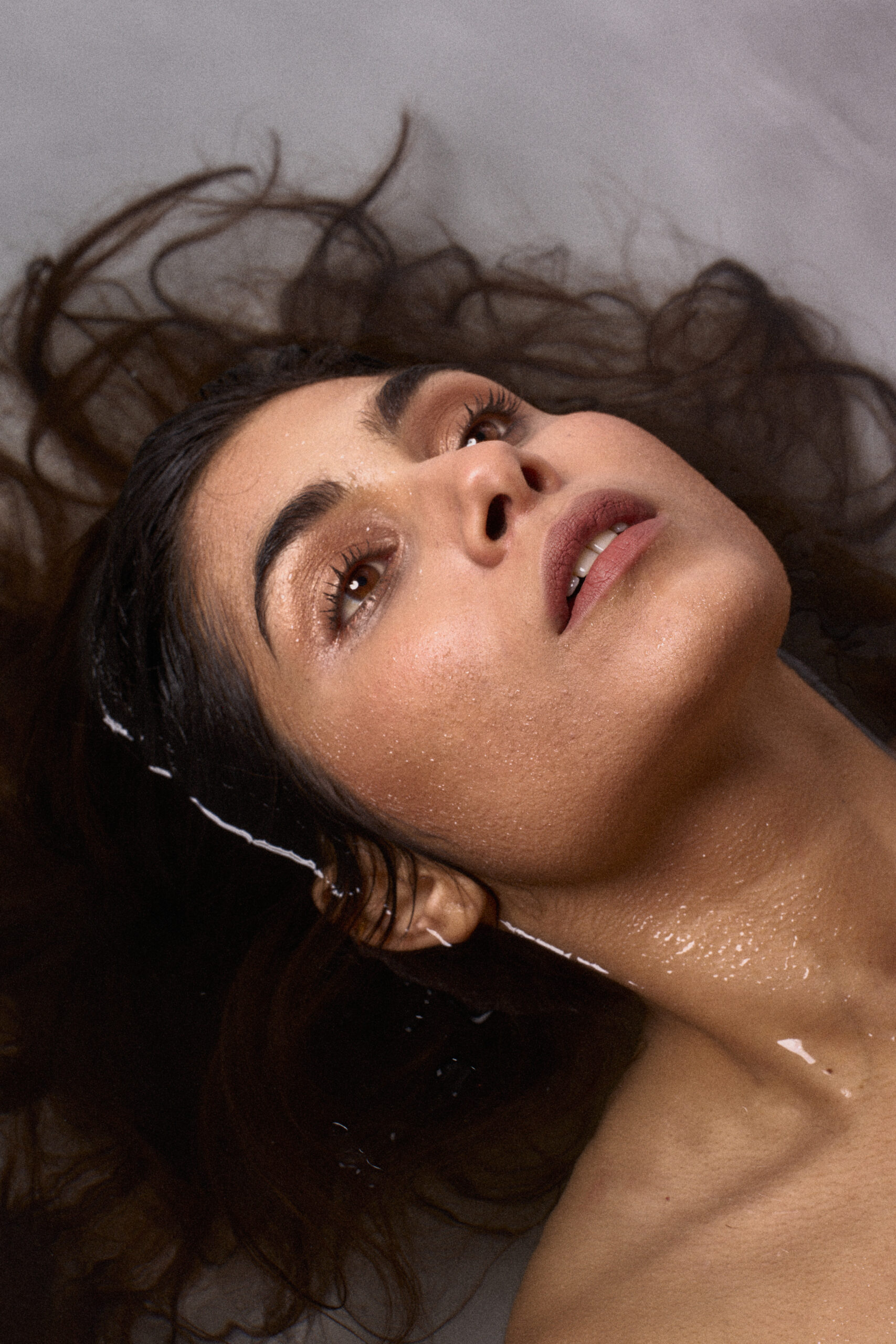
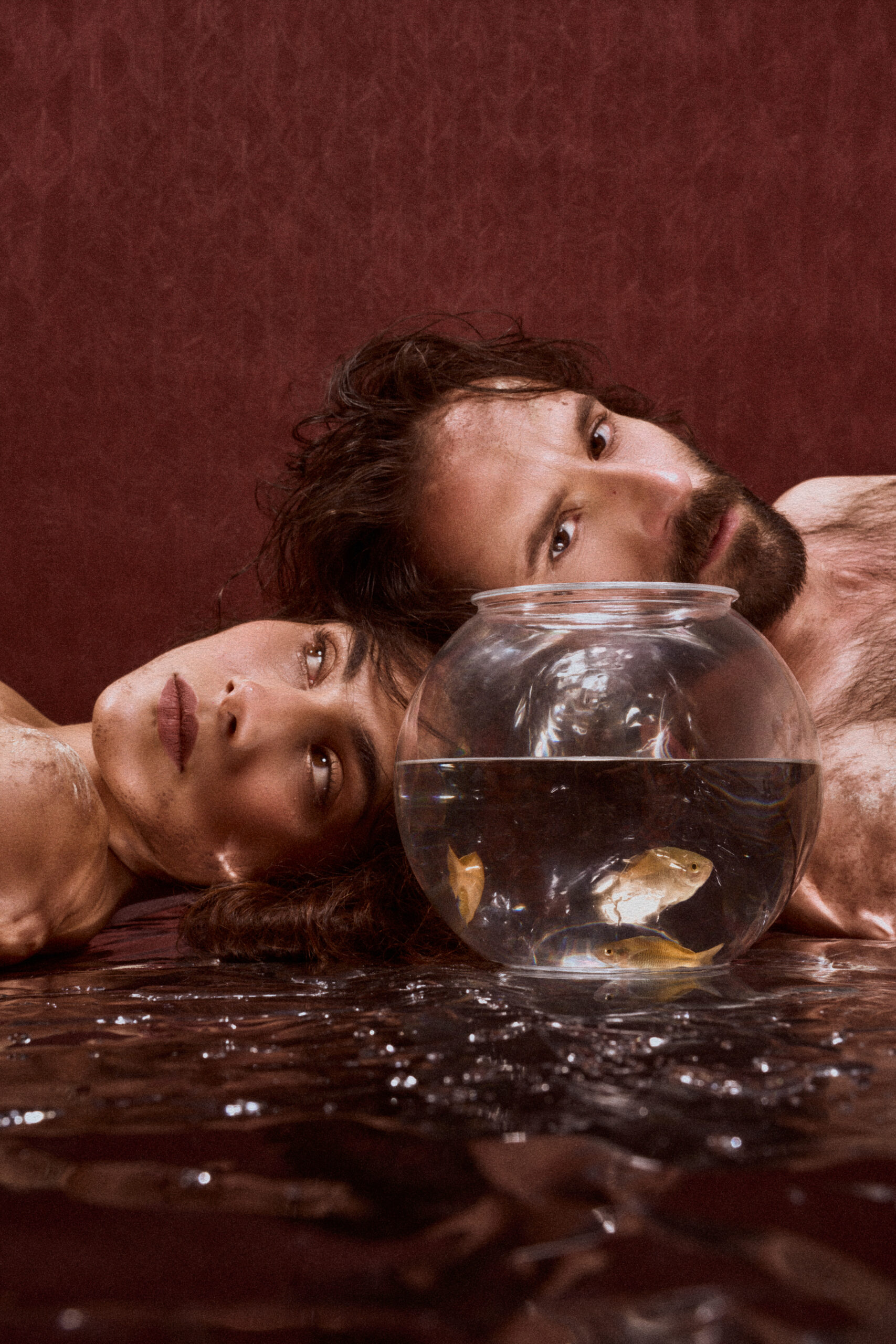
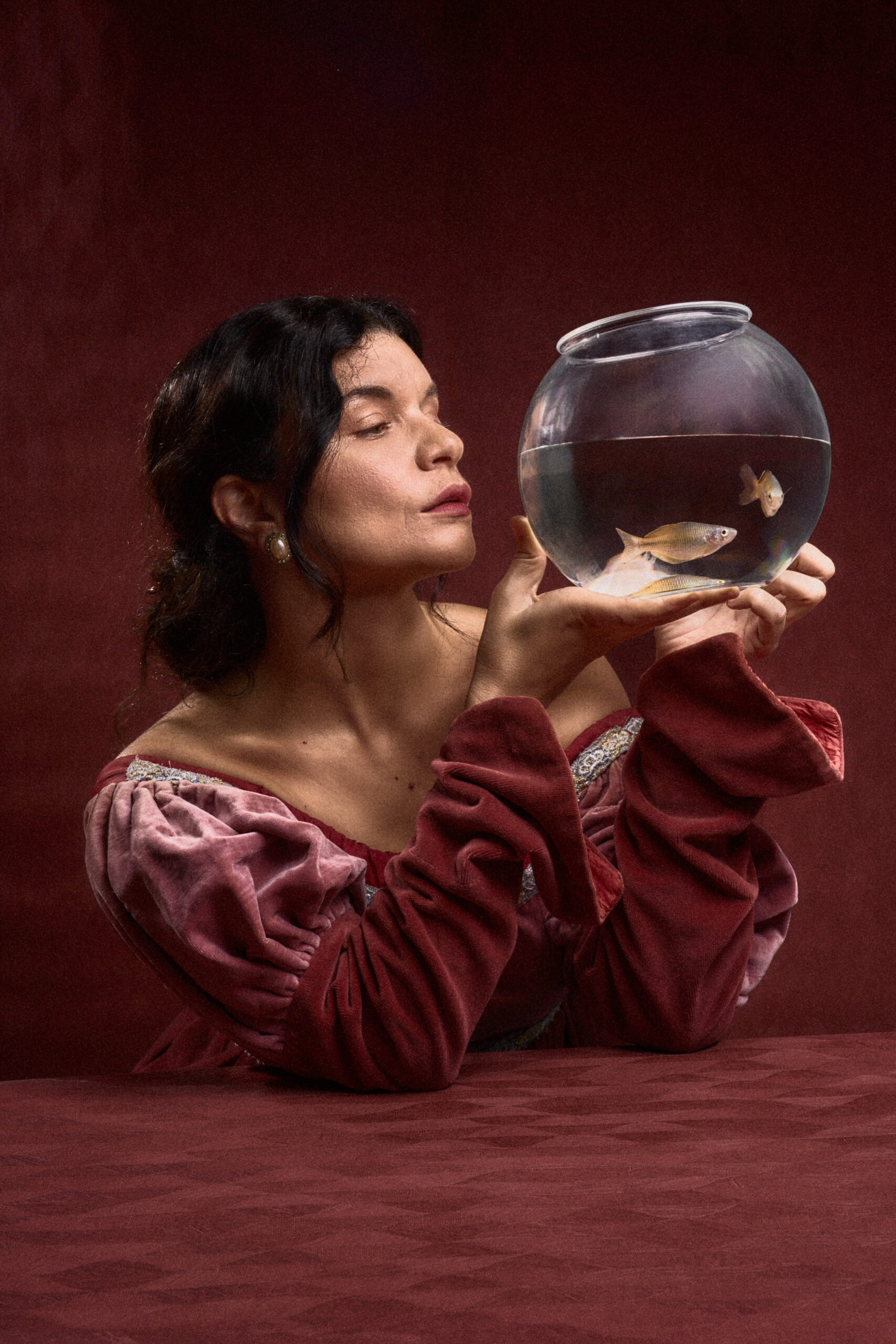
Carmel S. Aquilina: Ir-Rebħa tal-Ħuta Li Ttir (The Triumph of the Flying Fish)
Produced by: Teatru Malta, Valletta, Malta
Presented: 16th April 2026 at 19:30, Teatru Manoel, Valletta
During DoSEL week, we had a sudden idea: to present, as part of the programme, Ir-Rebħa tal-Ħuta li Ttir by Carmel S. Aquilina for the first time at the Manoel Theatre.
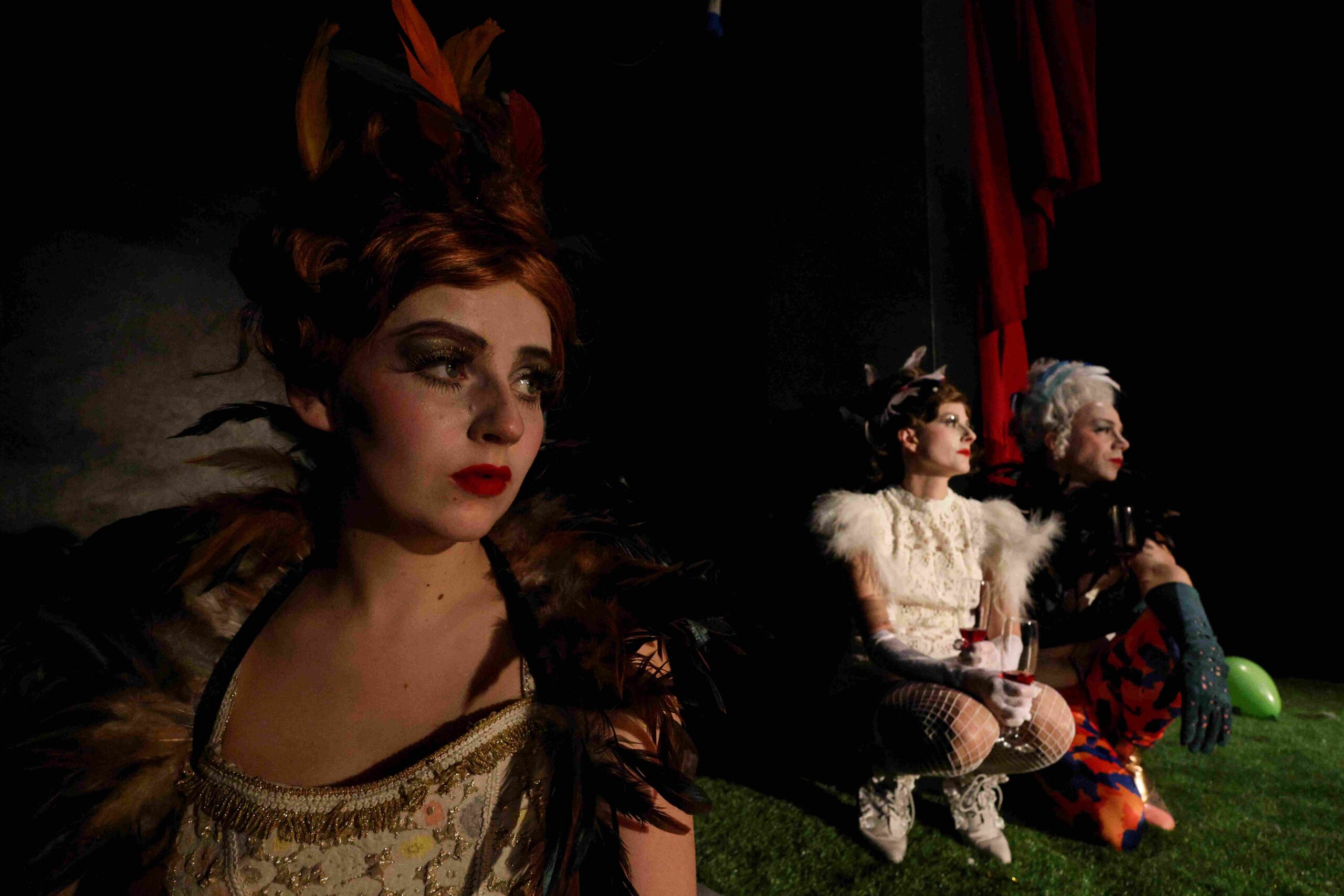
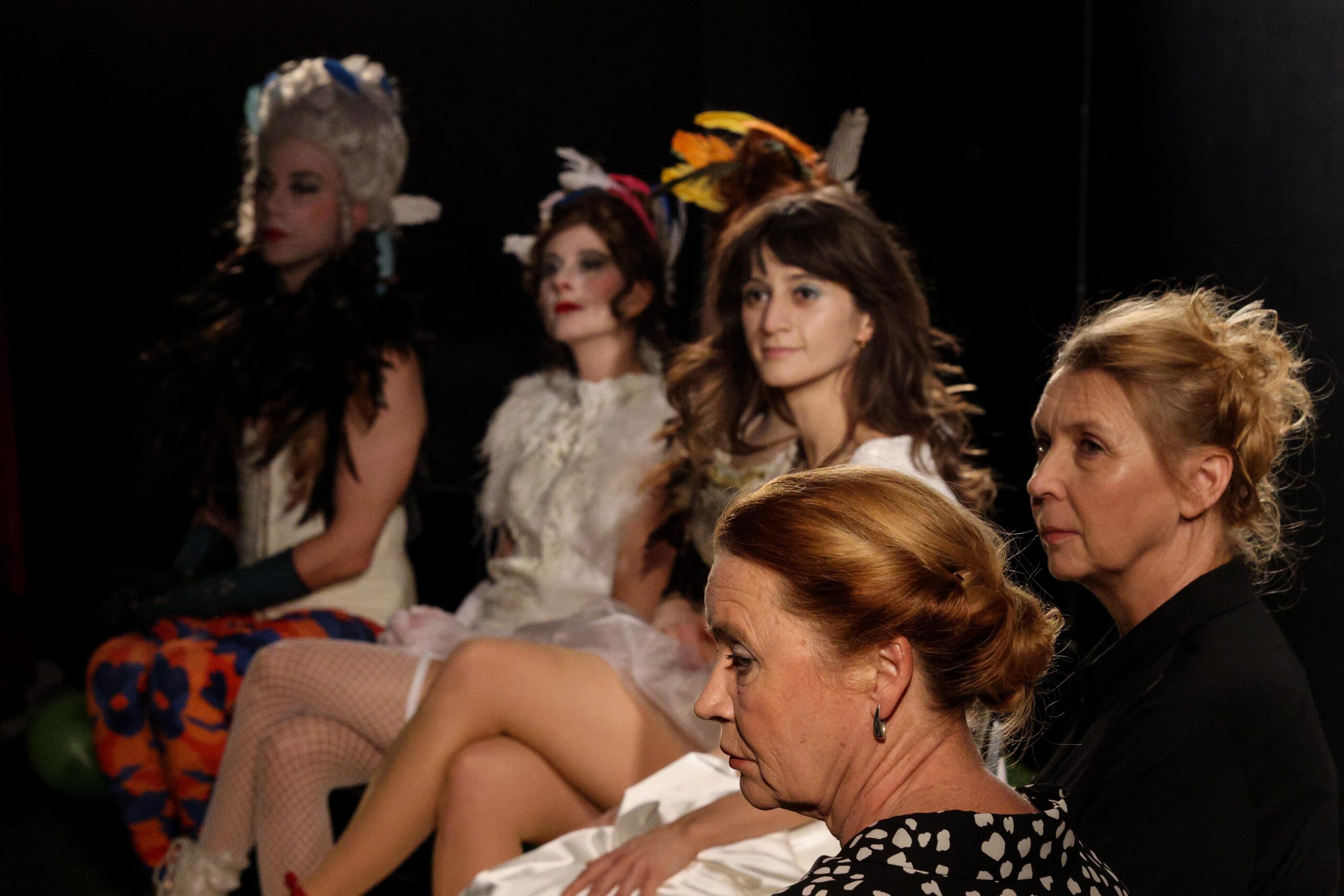
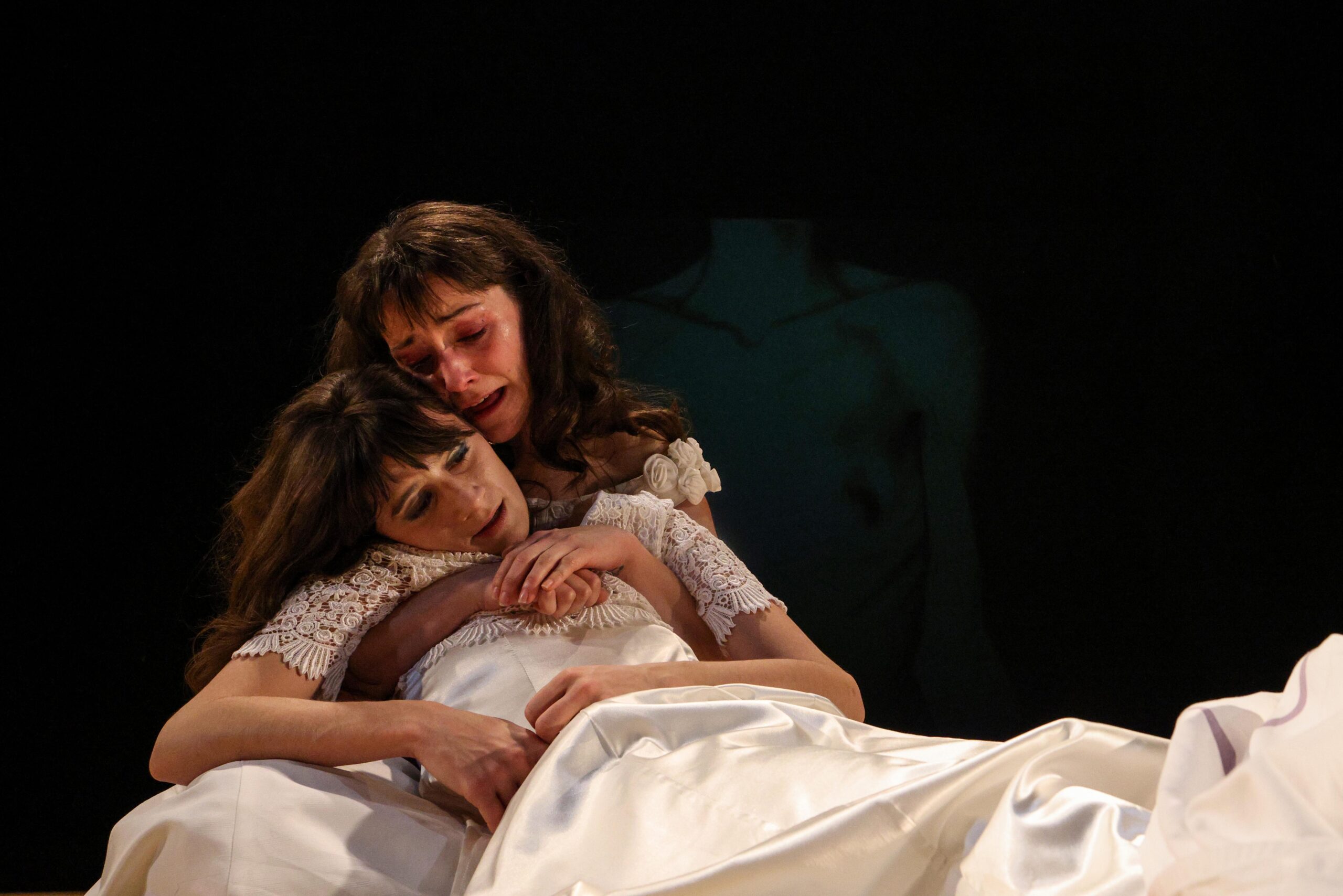
The story intertwines the political with the personal and the historical dimension with the human one, using Malta’s colonial past as a mirror for its postcolonial present. The play is based on a true and bloody chapter in Malta’s history, when in 1807 a regiment of Greek mercenaries stationed at Fort Ricasoli rebelled against the British colonial authorities due to poor treatment and low wages.
Aquilina’s protagonist is Constance, a young English woman who lives in a world of the mind, of dreams and symbols that come to life when she arrives in Malta. While the captain and the governor struggle to control the revolt, Constance discovers something else: the conflict between British colonial power attempting to control the Mediterranean spirit—wilder and more ancient—as well as the hope for a better future and the terrible sacrifices required to achieve it.
Read more
Creative Team
Writer: Carmel S. Aquilina
Director: Philip Leone-Ganado
Cast:
Michela Farrugia
Jacob Piccinino
Miguel Formosa
Peter Busuttil
Simone Spiteri
Mikhail Basmadjian
Anja Novak - Anjuta & Prešeren Theatre Kranj: Tekst telesa (The Text of the Body)
Produced by: Prešeren Theatre Kranj, Slovenia
Presented: 18th April 2026 at 19:30, Teatru Manoel, Valletta
Anja Novak – Anjuta won the Grum Award for the best new play at the Week of Slovenian Drama in 2023 for The Text of the Body. In their explanation, the jury wrote: “The Text of the Body is a distinctly modern text, and it comes across as fresh, both in the theme that it deals with as well as the way it does it. The text is direct and intelligent, complex, problem-centred and political, and in parts humorous and poetic. Novak includes neodramatic elements into the postdrama tissue, for example, a narrative, and, with that, follows the direction of the drama writing that is established after the postdrama period. In that, the story is to be understood literally.
Because the main protagonist is the body, or, better said, drama or perhaps even the performance of this body, as it, through its symptoms and illnesses – ‘with sharp knuckles, chiselled ribs, red wounds in the stomach, destroyed liver, etc.’ – like some medium tells the story about the environment in which it lives, and about the relationships to which it (directly or indirectly) belongs. This body is a female body and, at the same time, a body of three generations. Thus, it is a body of more than one time: the grandmother’s body that researches the question of female pleasure and problematises sexuality as simply a reproductive function of breastfeeding and birthing, the mother’s body that is sexually abused, and the girl’s body that suffers from anorexia.
Read more
This body is thus a sick body, but sickness is, the text claims, merely ‘a healthy response of a body to the sick environment’. For this reason, the body is also a politicised body because ‘personal is political’ – the reason for sickness is not to be searched for in the individual, in her inner structure, but rather in the violence of the outside environment that is structured in the overwhelming social relationships, in the hierarchy and dynamics of power between sexes, in reactive and repressive micro-policies, in constant attempts to degrade life and so on.
The body is, therefore, an empty page, a canvas onto which images are layered from the outside; gradually but roughly, the environment violently inks itself into it because the body sees all and hears all – and if the one to whom the body belongs won’t speak about it, the body will sooner or later start speaking on its own, the mind may insist that everything is alright, but the body screams until it tips over, falls on the ground, collapses. The text thus hints that we must speak up before the body does, but at the same time, the reading of the text can be quite literal – as an incentive to an attentive, mindful reading of the texts of the bodies around us, as well as our own.”
Creators
Director and dramaturg: Tjaša Črnigoj
Set and costume designer: Tijana Todorović
Composer and sound designer: August Adrian Braatz
Composer of vocals and live music: Tea Vidmar
Stage movement designer: Ena Kurtalić
Video: Dora Pejić Bach
Lighting designer and photographer: Borut Bučinel
Language consultant: Maja Cerar
Make-up artist: Matej Pajntar
Cast
Body: Staša Popovič (as guest)
Girl: Živa Selan
Mother: Darja Reichman
Grandma: Vesna Jevnikar
Birds: Suzana Krevh (as guest), Rok Kravanja (as guest), Tea Vidmar (as guest)
Voice of the Danse Macabre fresco from the Church of the Holy Trinity in Hrastovlje: Sara Horžen
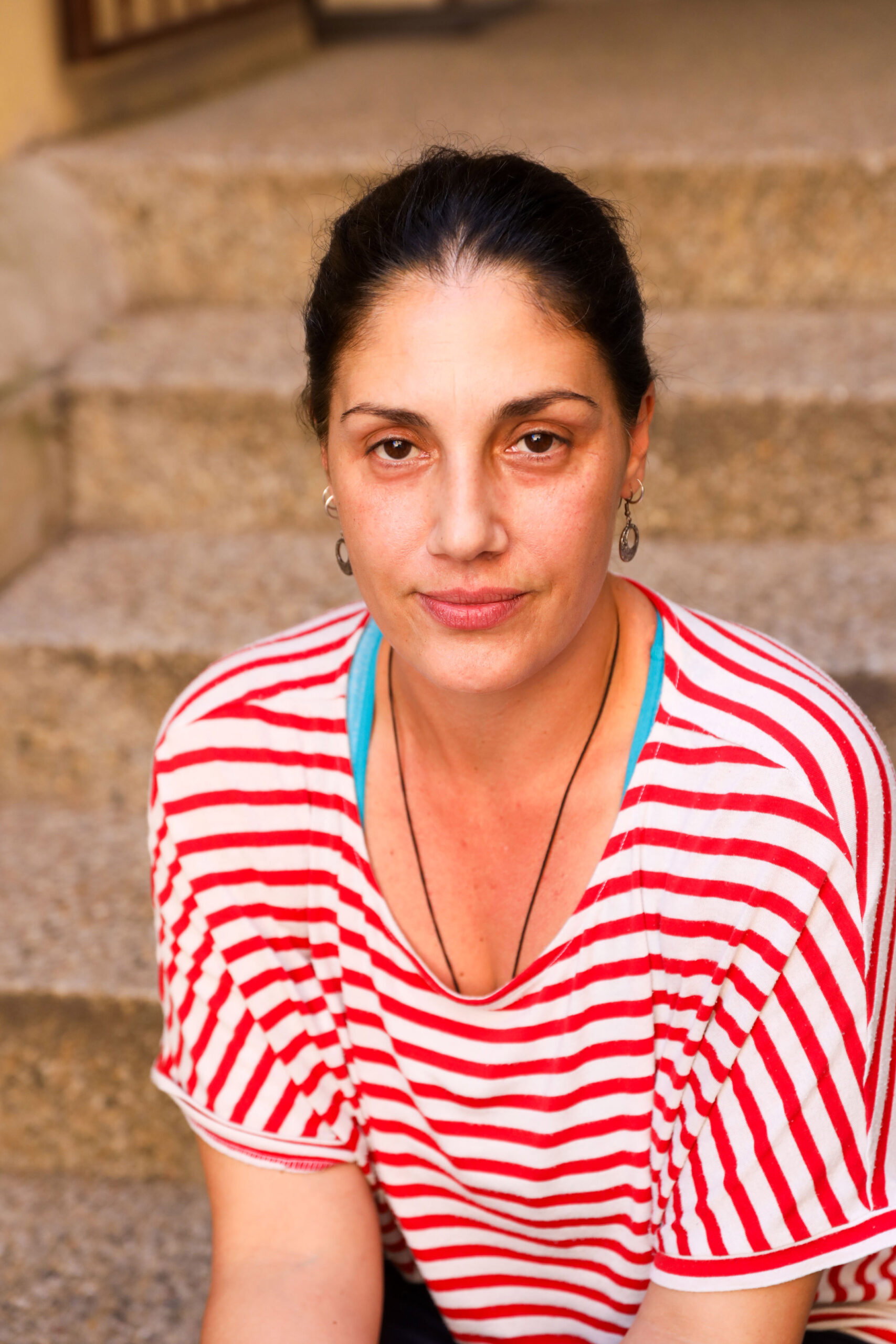
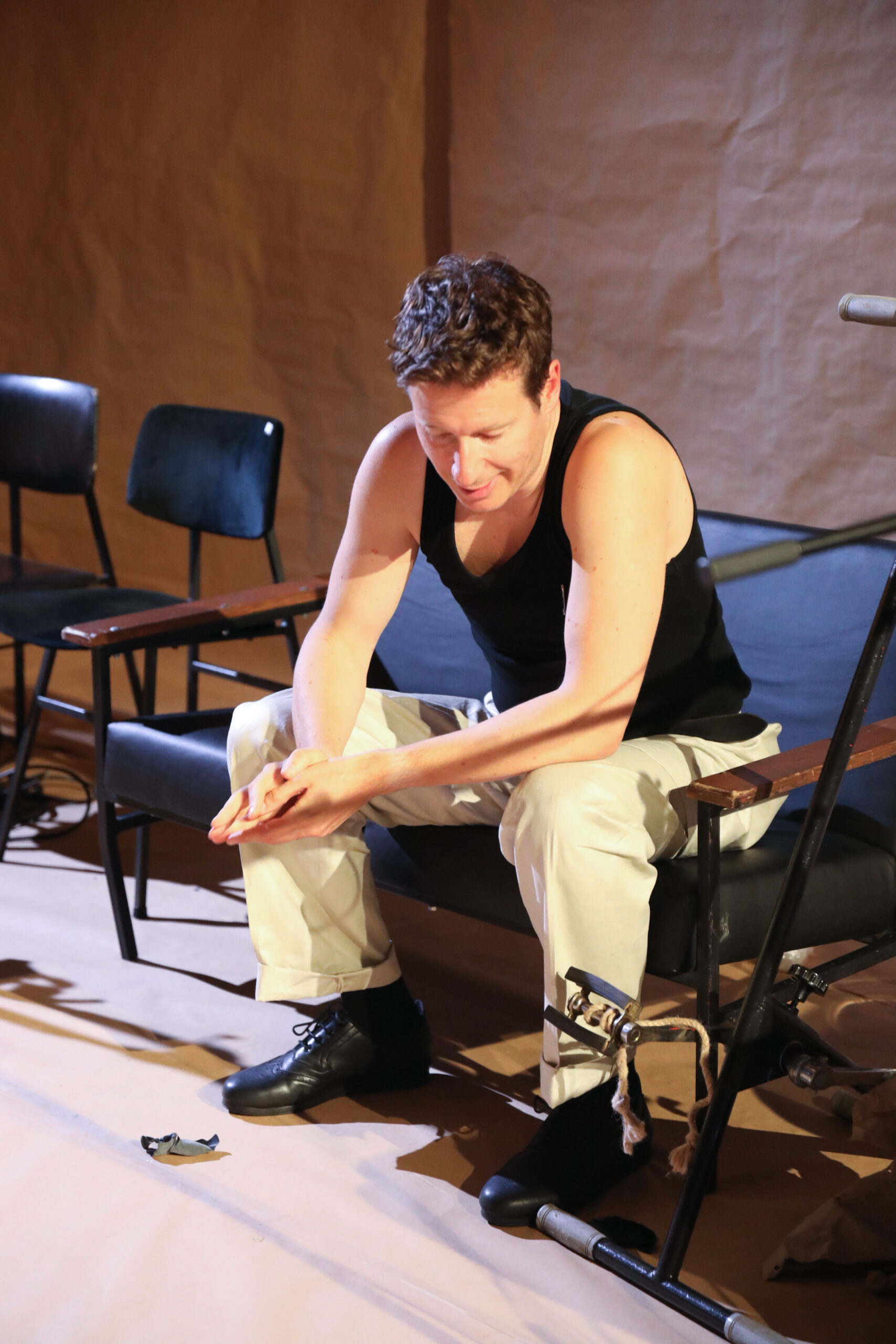
Espi Tomičić & Croatian Natioanl Theatre Zagreb: Always Be Like a Dragon
Produced by: Croatian Natioanl Theatre Zagreb, Croatia
Presented: 20th April 2026 at 19:30, Teatru Manoel, Valletta
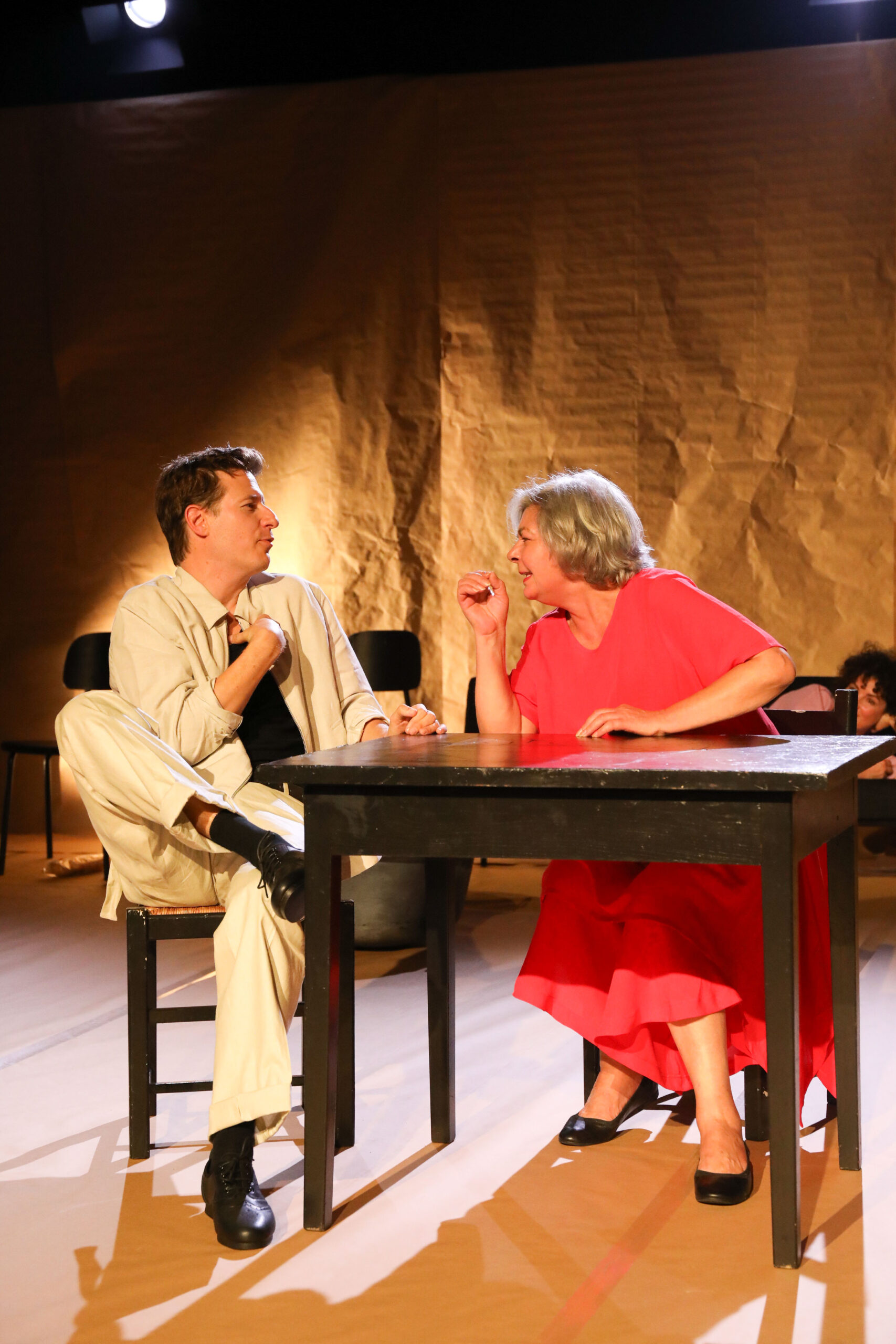
This dedication opens Always Be Like a Dragon, a play by Espi Tomičić that weaves together genres, temporal layers, and theatrical forms to create a work that is both deeply intimate and politically engaged.
The drama begins in the present day. Petar, a trans man, is in therapy. Through sessions with his therapist, he revisits memories of a key period from his childhood, when he was still Matea. Voices of the past and present constantly collide, blurring the boundaries between the real and the imagined, the documentary and the poetic. The therapist, the chorus, and other voices act as commentators and guides through the layers of memory and trauma.
At the heart of these memories is an abandoned city flat, into which Petar, then still a young girl named Matea, illegally moves with his mother Jana, brother, and sister, seeking refuge from poverty and homelessness. Led by the eldest brother Alan, the children start a game of war, converting the flat into a military base.
Read more
The game reveals cracks in the fabric of real life: Matea’s first menstruation, an awakening awareness of her body, tensions within the family, the loss of home, struggles with identity, and traumas that remain unnamed but are etched in the body.
Always Be Like a Dragon is both an anti-drama and a therapeutic process, a space of imagination and theatre. It is conceived as a theatrical act in which trauma does not remain sealed within the individual but instead becomes a space of encounter.
Olja Lozica directed the world premiere of Always Be Like a Dragon, a play by the multiple award-winning author Espi Tomičić.
Creatives
Director Olja Lozica
Dramaturge Espi Tomičić
Composers Sara Renar & Dimitrije Simović
Set Designer Vanja Magić
Costume Designer Ivana Stećuk
Choreographer Martina Hrlić Rogić
Lighting Designer Milan Kovačević
Sound Designer Vedran Peternel
Assistant Director Marta Tutiš
Assistant Costume Designer Ana Trišler
Assistant Set Designer Nika Vojvoda
Cast
Vlasta Ramljak
Olga Pakalović
Dora Lipovčan
Lana Barić
Luka Dragić
Dušan Bućan
Filip Vidović
Marin Stević
Ivan Grlić
Sara Renar
Dimitrije Simović
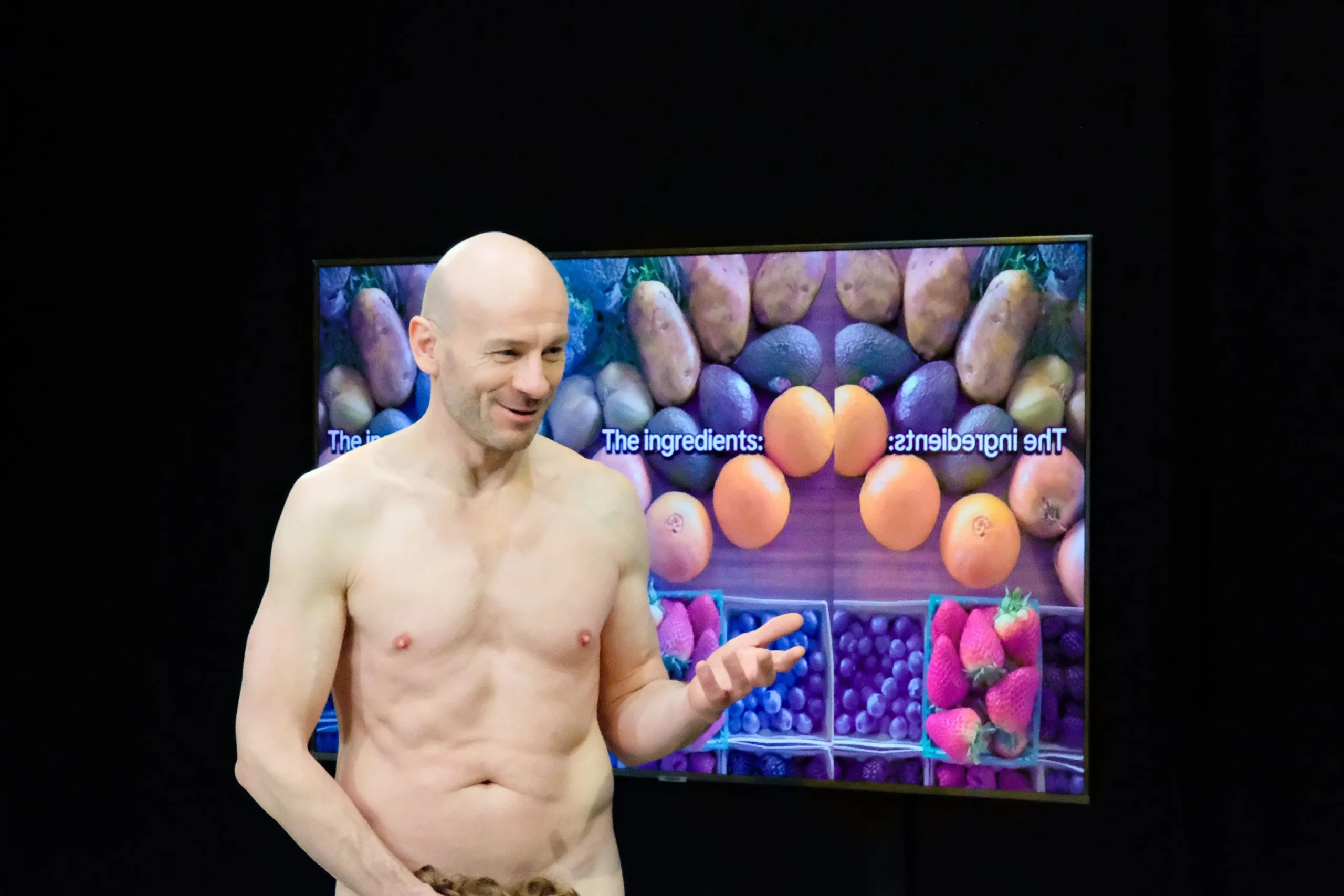
Mart Kangro: MEDIUM
Produced by: Von Krahl Theatre, Tallinn, Estonia
Presented: 22nd April 2026 at 21:00, Teatru Manoel, Valletta
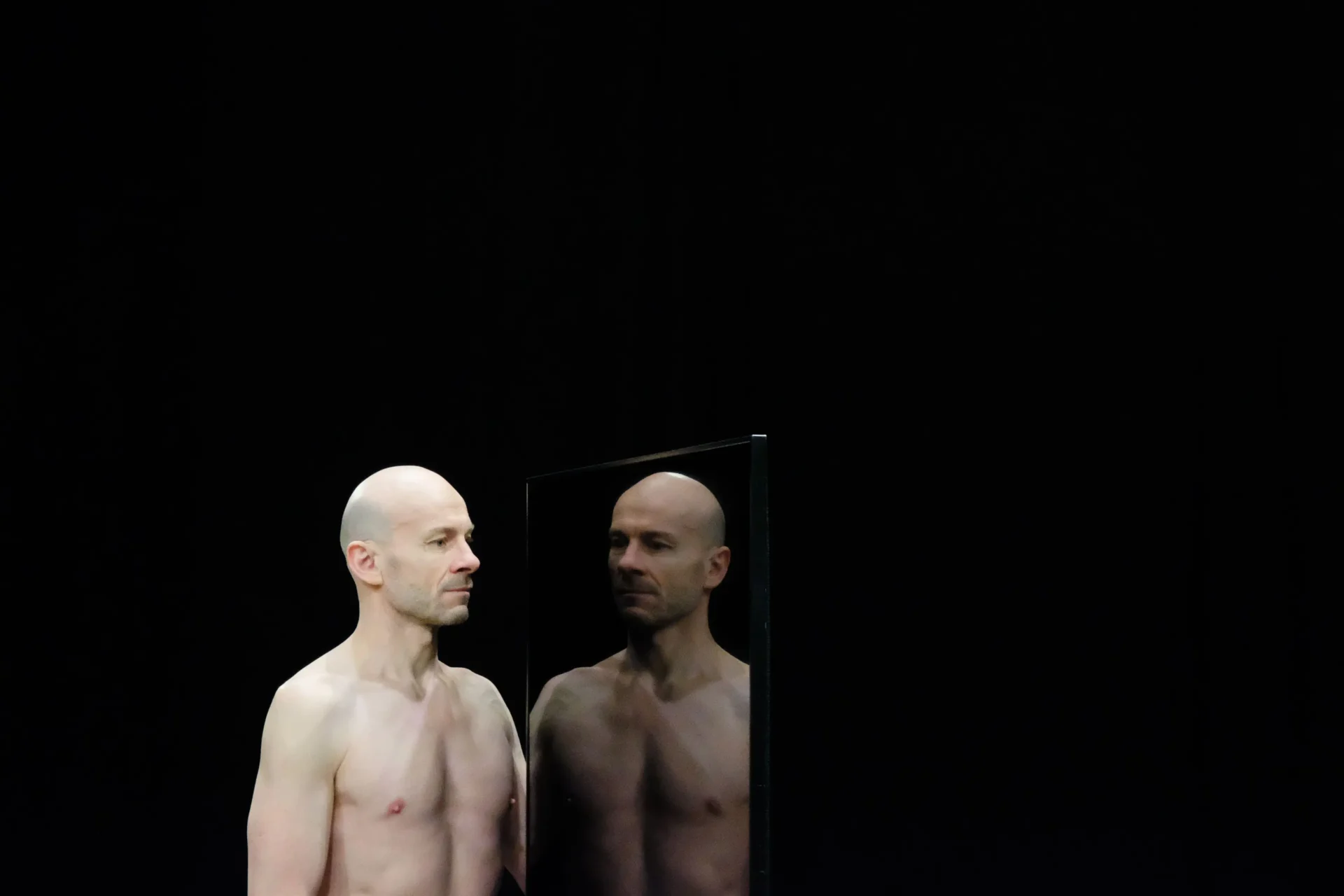
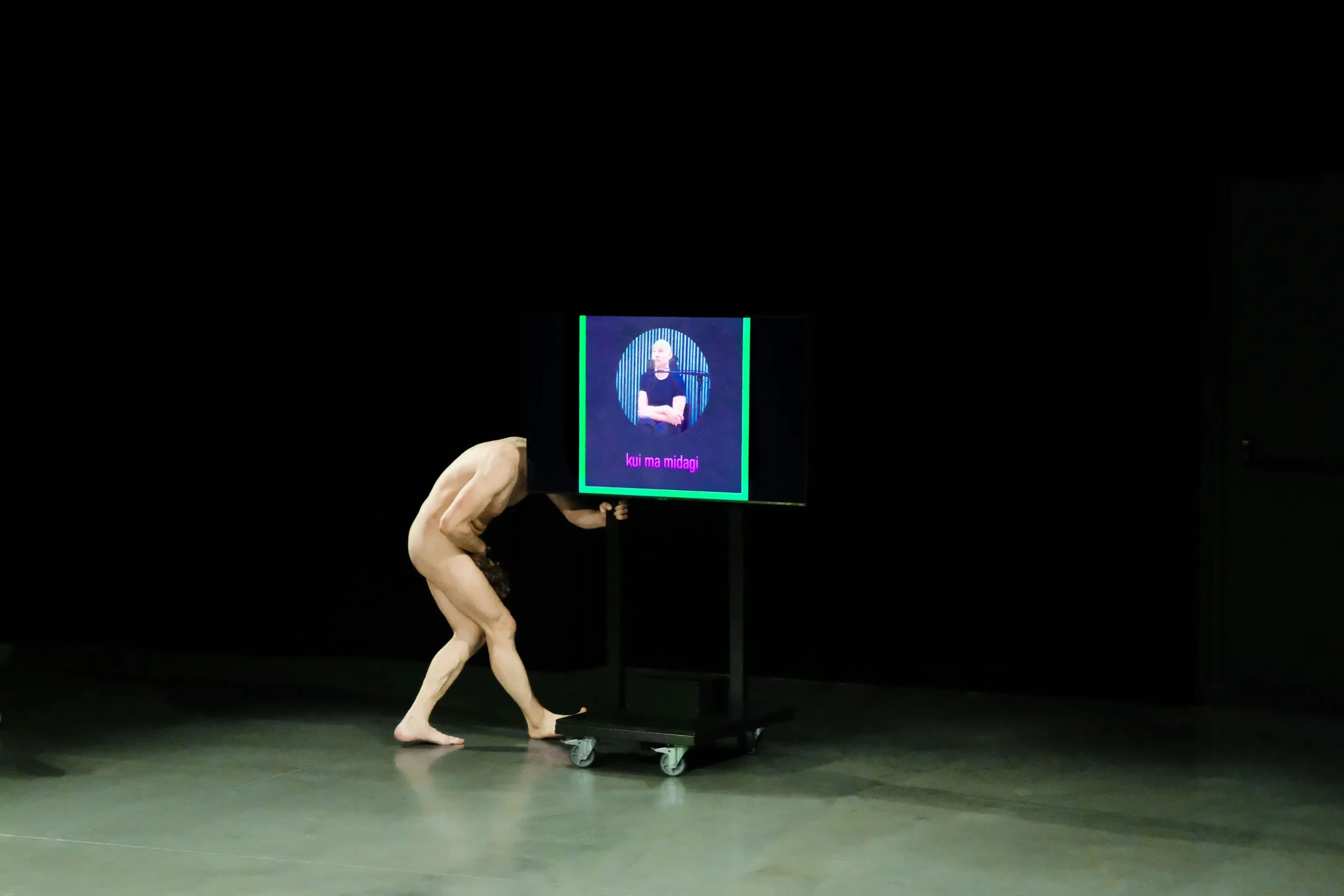
Mart Kangro’s new solo production, MEDIUM, unfolds at the intersection of body and screen, delivering messages and carrying meanings.
MEDIUM begins where his previous work, Pantheon, left off. While Pantheon examined world cultural history as a vast network, Kangro now stands with his own body in the midst of today’s fragmented avalanche of information. “What and how we consume within the media field creates the body we actually live in,” says Kangro. Are we becoming exactly who today’s news designs us to be?
Read more
Kangro has long been fascinated by the process of piecing together a whole from shards. Out of seemingly disconnected fragments, an unexpected narrative emerges. “I work in the hope that the sum of these life-shards reveals something beyond the eye’s grasp, something that doesn’t yet have a name,” Kangro explains. “Something operating in the in-between, which we only become aware of with a delay. It is always there before us. We are always late.”
We have the freedom to participate in everything. But with what meanings do we allow our bodies to be shaped—and by whom? What’s real? What’s no longer real? Where is the line between the physical world and the imaginary?
Once again, Kangro and his worn-out body are stuck under a waterfall of information overload, trying to figure out how to cope. He’s a funny one, this Kangro: simultaneously denying and despising the whole mess, yet hopelessly addicted and right in the thick of it.
Author and performer: Mart Kangro
Stage dramaturgy: Nicolette Kretz (auawirleben Theaterfestival Bern)
Text dramaturgy: Eero Epner, Mart Kangro
Scenographer: Kristel Zimmer
Sound designer: Raido Linkmann
Light designer: Priidu Adlas
Technical solutions: Herkko Labi
Producers: Jaak Prints, Mart Kangro
Umberto Eco

Email: info@tsd.si
Address: Prešeren Theatre Kranj, Glavni trg 6, 4000 Kranj, Slovenia
Funded by the European Union. Views and opinions expressed are however those of the author(s) only and do not necessarily reflect those of the European Union or the European Education and Culture Executive Agency (EACEA). Neither the European Union nor EACEA can be held responsible for them.
